


The views and opinions expressed in this editorial article are those of the author and do not reflect the official policy or position of the Post or Eagle Media. The editorial is intended to stimulate critical thinking and debate on issues of public interest and should be read with an open mind. Readers are encouraged to consider multiple sources of information and to form their own informed opinions.
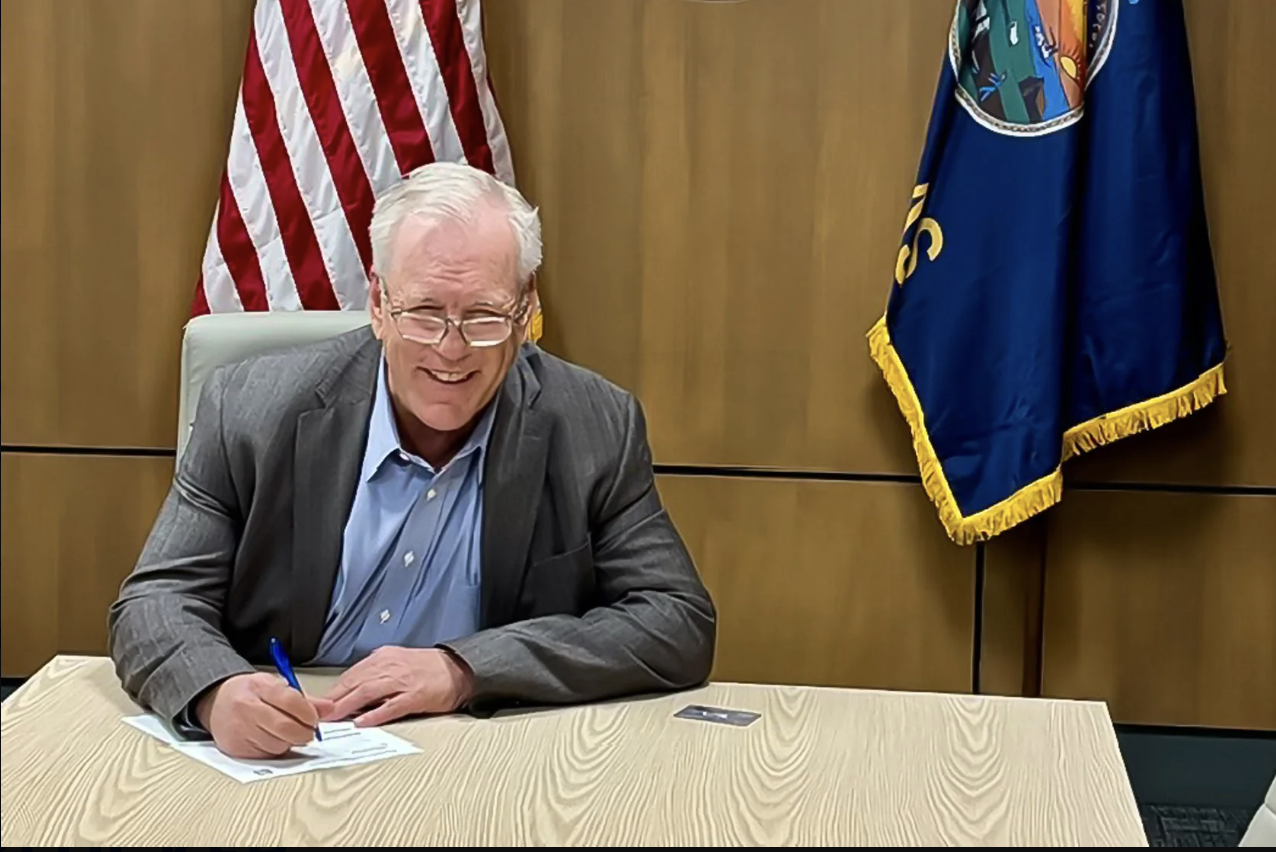
By: JAY VANIER
Republican Candidate for the Kansas House of Representatives, 71st District
Recent infrastructure problems have reminded Salina residents of something we rarely think about until it stops working: our drinking water system.
Every day, thousands of homes, schools, hospitals, and businesses depend on hundreds of miles of underground water mains, transmission lines, valves, and other infrastructure to deliver safe, reliable drinking water. Much of that system was installed decades ago and is now approaching the end of its intended service life.
Salina is not alone. Across Kansas, communities are facing the same challenge. Aging water infrastructure is becoming one of the largest long-term investments local governments will make over the coming decades. As these systems continue to age, water main breaks become more frequent, maintenance costs increase, and the financial burden on cities and ratepayers continues to grow.
Residents have seen these challenges firsthand in Salina. Water infrastructure problems in the Dover Circle area and on several other streets have demonstrated just how disruptive and expensive aging infrastructure can become. Repeated repairs, service interruptions, and deteriorating underground systems serve as reminders that delaying replacement often costs more than planning ahead.
Fortunately, Kansas has an important tool available to help communities address these needs. The Kansas Department of Health and Environment administers the Kansas Water Office's State Water Infrastructure Grant Program. The program provides grants that reduce the amount a city must borrow or even help pay down an existing eligible SRF loan balance. Kansas law specifically allows coordination between the Kansas Water Office and KDHE to maximize assistance for eligible projects
Communities with significant infrastructure needs should receive careful consideration under the program's statutory and regulatory criteria. Salina's aging water system, the frequency of recent infrastructure problems, the importance of maintaining reliable service for residents and businesses, and the substantial cost of replacing aging water mains make the city a strong candidate for assistance through this program.
State assistance is not simply about helping one community. Every dollar invested in preventive infrastructure replacement can reduce future emergency repair costs, improve system reliability, protect public health, strengthen fire protection, and support continued economic development.
Replacing infrastructure before catastrophic failures occur is almost always less expensive than responding after the fact.
Whenever possible, Kansas should also maximize available EPA capitalization grants, loan forgiveness opportunities, and other federal funding sources. Bringing federal dollars back to Kansas helps communities complete needed infrastructure improvements while reducing the financial burden on local ratepayers and property taxpayers.
The City of Salina may already be pursuing many of these funding opportunities, and those efforts are appreciated. The reality, however, is that replacing decades-old water infrastructure often exceeds what any one community can reasonably finance alone. Success will require continued cooperation among KDHE, local governments, utility professionals, engineers, elected officials, and citizens working toward the same goal.
Water infrastructure is not a partisan issue. Every family, every business, every school, and every neighborhood depend upon a safe and reliable public water system. Pointing fingers does not replace aging water mains or improve our drinking water system. Solving the problem will require cooperation among local, state, and federal partners, along with engineers, utility professionals, and the community itself.