


By: SCOTT HILL
Kansas Senator 24th District
Weather is something that most people in Kansas pay attention to. Our history and stories often revolve around weather events. Tornadoes develop an identity of their own. When we hear “The Greensburg Tornado,” hearers immediately get transported back to 2007 when 12 people were killed in Greensburg, KS in one of the strongest tornadoes ever recorded. The suddenness of violent weather and the random appearance of storms lend to the reputation Kansas has of being a place where weather is a topic of conversation.
Last week was no exception to the storied history of Kansas storms. A strange and violent storm straddled Interstate 70 from west of Salina to Topeka. While not being as violent or deadly as a tornado, this strong thunderstorm caused chaos for nearly 120,000 people in central and eastern Kansas. Continuous lightning and devastating winds rocked our communities in a manner that will require long-term cleanup and rebuilding. The short-term response is what I want to discuss. Before the light bulbs became cool from the absence of electricity, actions were being taken to mitigate the damage from the storm.
Salina was the hardest hit of the numerous communities that experienced storm damage. The weather service recorded 113 mph winds at the edge of Salina. If you have ever watched footage of tropical hurricanes as they slam into coastal regions of the southern and eastern United States, think about this: The criteria to become a category 1 hurricane is winds at 74 mph. The second category is winds at 110 mph. A category 3 hurricane has winds over 110 mph and is characterized by “Devastating damage, including major damage to well-built homes, widespread power outages, and uprooted trees.” The “inland hurricane” that hit Salina destroyed as many as 500 power poles.
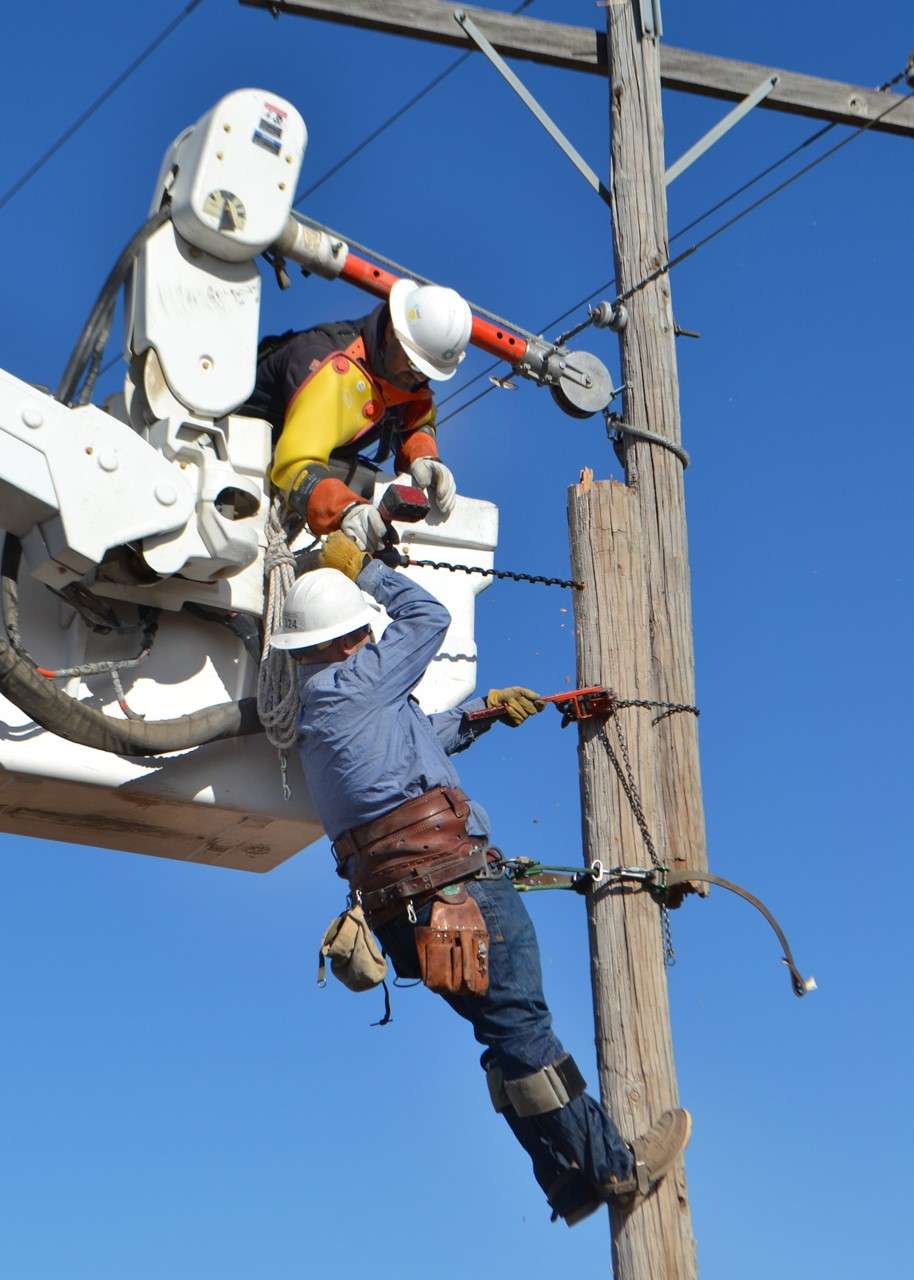
The rest of the story is the heroic effort made by the utility companies to restore power. Nearly 1,000 linemen descended on Salina and had most power restored by Friday. Storms are never welcome; however, the response by both utilities and neighbors reminded me of why central Kansas people are deservedly known for their compassion, neighborliness, and work ethic. Starting Tuesday, after a Monday storm,
neighbors helped neighbors clear trees, pick up debris, and provide temporary power to those without power using generators. It is a great honor to represent such hard working and generous people in the Kansas State Capital. Thank you central Kansas.
You can send us your opinions/letters to the editor, along with your name, city and or county location to newstips@salinapost.com