


By: NICOLAS FIERRO
Salina Post
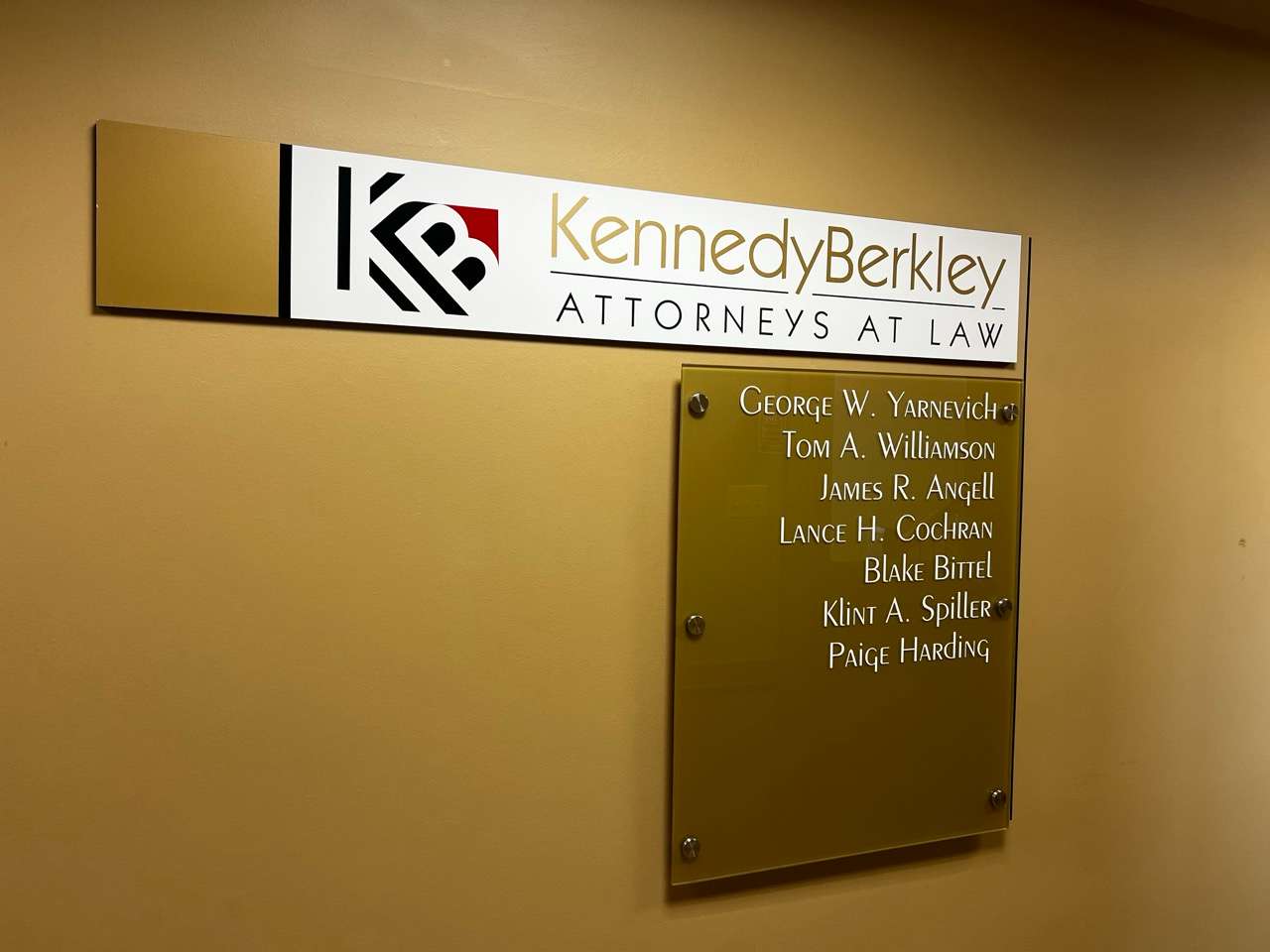
"It's a crisis," said Managing Partner of Kennedy Berkley Attorneys at Law James Angell, on his comment about Kansas facing a shortage of rural attorneys.
Evidently, the state is known to have a shortage of rural attorneys across the state.
According to the Kansas Rural Justice Initiative, 80 percent of Kansas attorneys live in Douglas, Sedgwick, Johnson, Shawnee and Wyandotte counties.
There are 42 counties in Kansas that have fewer than 1 attorney per thousand.
Southwest Kansas lacks the most attorneys and the majority work in Kansas City, MO than in any of Kansas’ counties put together (covering roughly 100 rural counties), according to data from the Kansas Judicial Branch.
Some other key statistics from the Kansas Rural Justice Initiative include:
- 2.67 attorneys per 1,000 residents (ranked 32nd nationally).
- 42 counties had fewer than 1 attorney per 1,000 residents. On July 1, 2022, that number was 30 counties.
- Approximate net loss of 80 rural attorneys from 2022-2025.
- One-third of active Kansas attorneys are age 60 or older.
- Median age for rural attorneys is 54-55.
- Justice K.J. Wall publicly stated that the number of "rural legal deserts" has increased since the Rural Justice Initiative began in 2022.
Angell said it is natural for people to leave small towns and move to bigger cities to explore more opportunities.
“For attorneys, there seems to be more concentration in that area,” he said.
Angell said fewer people are interested in doing professional work in rural areas and that urban areas have more practices to work on in a general sense compared to rural, but it’s not on a large scale.
“Rural and urban can still have the same issues,” said Angell. “The businesses in rural areas still need contractual, corporate, criminal and family attorneys. However, rural needs more sophisticated work.”
Importance and Viewpoint of Rural Practice
Angell said that finding work in rural areas gives attorneys the ability to work on bigger projects sooner.
“In a bigger firm you would be pushed down the food chain, and rural gives you better hands-on experiences,” said Angell. "There is a tremendous amount of agricultural wealth and assets.”
Being involved in the community more and building personal connections is common in the rural practice, according to Angell.
“The attorney who goes to a small town becomes a part of the fabric sooner. It is a different pace and lifestyle,” he said. “You get access to bigger and important projects early on in your career, and you can make a difference. Plus, you can have financial success here (rural) earlier.”
He said it is a misnomer to say that rural areas won’t pay as much.
Overworked Attorneys
Current rural attorneys are a small number and overworked.
Angell said over time, rural attorneys have been aging out and as time goes on, the work is getting more intense. To solve this, he said more younger people need to fill in those gaps.
For students, he said being exposed to rural practice allows them to be collaborative and build a framework. Moreover, getting them in the mindset to be interested in rural areas broadens their horizons, according to Angell.

Angell explained his passion for rural areas being exposed to more attorneys.
“They need support and good advice. Attorneys serve so many different roles and are part of the communities. They become decision makers, and the rural communities need that.”
One example Angell said attorneys can fill a need in rural communities is agriculture.
“They need more estate and succession planning done there,” he said.
Some feedback Angell and his office have received from clients in rural communities is that they say its a real need, while expressing their appreciation.
“Rural has gotten way more sophisticated because the U.S. population continues to grow and people need to get fed (agriculture). Technology growth and production are faster, and those areas need to be met. If you have not been around a rural area, you don’t know what to expect. Technology helps clients from rural communities receive service. This has expanded more of the reach for clients in those communities who can use online platforms such as Zoom and Microsoft Teams."
Angell said Kennedy Berkley is putting together a model to get more younger attorneys to explore rural communities.
"It's going to take the law firms themselves to recognize the need and move forward to fill those areas," said Angell. "There are many altruistic reasons to do it. From a business standpoint, it's more opportunity, and there is a need for sophisticated work."
Opportunities for students
Programs such as Third Year Anywhere, which is a hands-on program at Washburn University that was launched in 2019. This allows students to complete their final year of law school in the geographic location where they plan to practice, gaining invaluable real-world experience and making professional connections that will serve them throughout their careers.
The Dane G. Hansen Foundation funds summer rural externships for Washburn students in the Foundation's 26 northwest Kansas counties. Students work under local attorneys or judges, receive a living stipend (approximately $5,000) and receive tuition support for six credit hours. The program is designed to give students firsthand experience of rural practice and community life.
In 2024, the Patterson Family Foundation granted $1 million to Washburn Law to expand the Rural Legal Practice Network and Externship Program. The funding extends the rural externship model statewide (beyond the Dane G. Hansen Foundation 26-county area) and supports the Kansas Rural Lawyers Network (Kansas attorneys join to connect, ask questions and receive advice on issues they face in their rural areas).
Official descriptions state that it supplements the Dane G. Hansen program so that more students can participate across all of rural Kansas.
For more information about the Kansas Rural Justice Initiative, click here.