


Salina Post
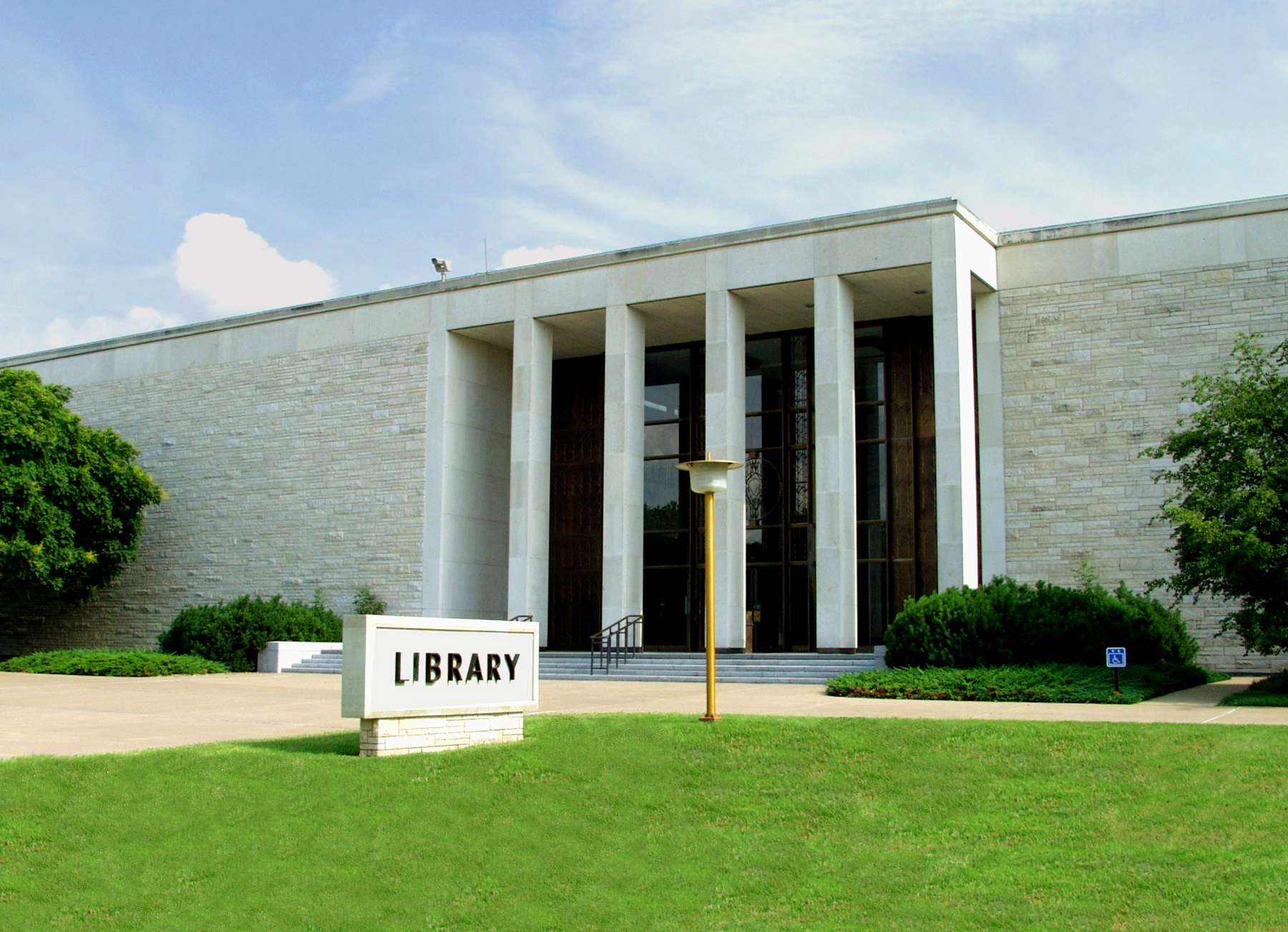
The Kansas Supreme Court has announced they will hear an ongoing case in a special session on March 10, 2026 in Abilene at the Dwight D. Eisenhower Presidential Library (200 SE 4th St.).
The case is State of Kansas ex rel. Kansas Highway Patrol (appellee) v. $381,620.00 and Bryce Robert Fuleki (appellant).
The court will be in session from 6:30 pm to about 7:30 pm.
Doors open at 5:30 pm.
Background of case
On May 2020 at around 11:45 pm, a Kansas Highway Patrol (KHP) trooper stopped Bryce Fuleki for a traffic violation on I-70 near Salina. The trooper noticed Fuleki traveled through fog several times and was concerned about driver impairment.
Fuleki was operating a rental vehicle and the trooper asked him questions, which the trooper believed Fuleki's responses were inconsistent. The trooper also detected signs of nervousness from Fuleki.
During this time, Fuleki could not find a copy of his rental agreement. The trooper then asked him to stand outside of the vehicle, as his license information and issuance of warning was being ran.
Furthermore, the trooper suspected Fuleki was transporting contraband. However, the trooper told him everything ran smoothly with his license and issued him the warning. As Fuleki was walking back to the vehicle, the trooper asked to speak more with him.
Fuleki agreed to and the trooper questioned him about the contents of his vehicle, as he then asked for consent to search.
However, Fuleki denied consent.
The trooper then directed Fuleki to stand at the side of the road and informed him he was being detained until a drug canine could sniff the vehicle.
A Salina PD officer responded to the scene with the canine and alerted something inside the vehicle. The trooper then searched and found a suitcase. Fuleki was asked if the suitcase belonged to him and he said it belonged to a friend.
Afterwards, the trooper opened the suitcase and discovered a total of 11 vacuum sealed packages of cash. The trooper then confiscated the cash and took it to the KHP headquarters in Salina.
The cash confiscated was a total of $381,620.
Throughout the span of this case, KHP brought a civil forfeiture proceeding (legal process where law enforcement seizes property, in this case, cash suspected of being connected to criminal activity, allowing the government to take ownership without charging or convicting the owner of the crime). However, Fuleki appeared through counsel to file a motion to suppress the seizure of the suitcase filled with cash. Also, in the civil forfeiture proceeding, Fuleki filed a claim for the money.
He also filed a motion to suppress all evidence from the traffic stop claiming it was unlawful. The district court decided Fuleki could not claim the seized money because he did not have standing after saying it was not his both verbally and in writing. The court did not consider whether the traffic stop was valid.
On appeal, the Court of Appeals found that Fuleki was the only person who had a right to challenge the traffic stop and detention. Also, that it was an error when the district court did not first consider Fuleki’s motion to suppress evidence before it decided Fuleki did not have standing to claim the money. The Court of Appeals reversed the decision and sent the case back with instructions for the district court to examine whether law enforcement actions were legal before it considers whether Fuleki has standing to claim the money. The State appealed.
The issue on review is whether the district court was correct when it determined Fuleki lacked standing to claim the seized money, because he never said it was his.
Click here to read the full contents of the case.
The public is invited to attend the special session to observe the court as it hears oral argument in one case. After oral argument, the justices will greet the public in an informal reception.
“We invite the people of Abilene and surrounding communities to join us at the Eisenhower Presidential Library to hear this case,” Chief Justice Eric Rosen said. “It’s a great way to get to know our court, what we do, and how we do it. Plus, we want to meet you in the reception afterward.”
What to know before attending the hearing
Anyone who wants to attend the special session in person should plan to arrive early to allow time to get through security screening.
Court security offers these guidelines to ease the screening process:
- Do not bring food or drink.
- Do not bring large bags, large purses, backpacks, computer cases, or briefcases. Small handbags are permitted.
- Do not bring knives, pepper spray, firearms, or weapons.
- Do not bring electronic devices such as laptop computers, handheld games, personal digital assistants, or tablets. If you must carry a cell phone, turn it off and store it out of sight while court is in session.
Decorum during oral argument
Audience members must not talk during oral argument because it interferes with the attorneys’ remarks and questions asked by justices. Talking immediately outside the room where oral argument will take place is also discouraged.
If someone arrives after proceedings start, or must leave the auditorium before it ends, they should be as quiet as possible entering and exiting the auditorium.
The special session will also be streamed live online at www.YouTube.com/KansasSupremeCourt.