


City of Salina
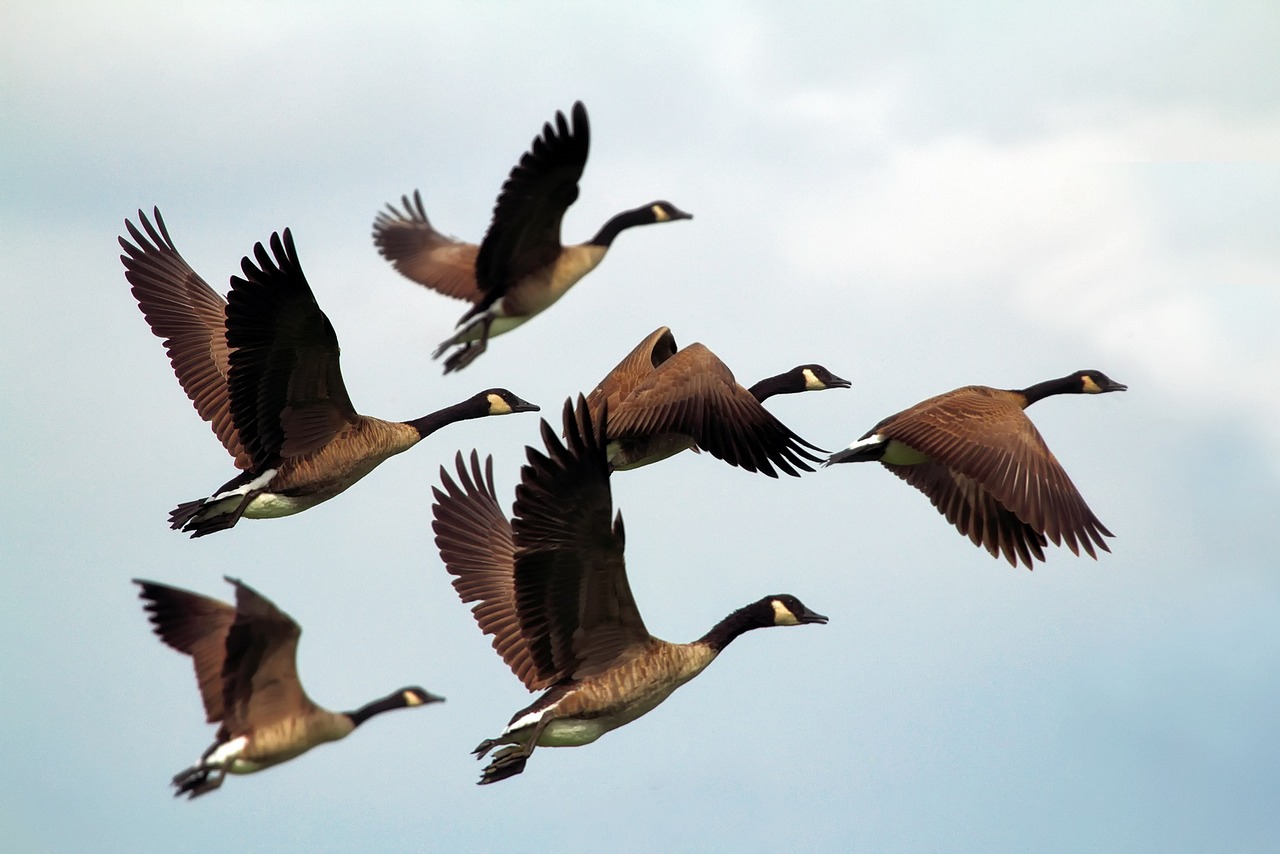
The City of Salina and Salina Animal Services are urging the public to exercise caution after multiple wildlife calls in the past week have resulted in three suspected cases of Highly Pathogenic Avian Influenza (HPAI) in local geese.
This follows a growing number of HPAI detections across Kansas and the region.
HPAI is a severe and often fatal viral disease that spreads rapidly among birds. Recent cases handled by Salina Animal Services have shown classic symptoms associated with the virus, including:
• Neurological impairment – lack of coordination, disorientation, inability to hold the head up, hunched posture, tremors, seizures, or twisted neck
• Difficulty breathing – open-mouth breathing, wheezing
• Nasal discharge, coughing, or sneezing – sometimes with blood tinged fluid
• Sudden death
Birds infected with HPAI may also suffer additional traumatic injuries, as they can collapse or fall from the sky due to weakness and exhaustion while in flight.
Unfortunately, HPAI is not treatable and is fatal for affected birds.
To prevent further spread, infected birds must be humanely euthanized and properly disposed of. The virus is highly contagious among birds, felines, and potentially transmissible to humans and other species, making prompt reporting and safe handling essential.
Public Guidance
If you encounter a bird exhibiting the symptoms listed above—or any bird that appears ill, injured, or unable to fly, please do not approach, handle, or attempt to assist the animal.
For Salina residents:
• Call Salina Animal Services at (785) 826-6535 between 8:00 a.m. and 5:30 p.m.
• After hours, contact Salina Non-Emergency Dispatch at (785) 826-7210.
• Observe from a safe distance and keep pets away from the area.
For county residents call the Kansas Department of Wildlife and Parks at 785-452-0478.
Animal Control Officers will respond to safely remove the bird, provide humane euthanasia when necessary, and ensure proper cremation to limit disease transmission.
Additional Information
For current national surveillance data, transmission risks, and recommended precautions, please visit:
https://www.cdc.gov/bird-flu/situation-summary/index.html
Salina Animal Services will continue monitoring local wildlife and coordinating with state and federal partners to protect public and animal health.