


Rotary Club of Salina
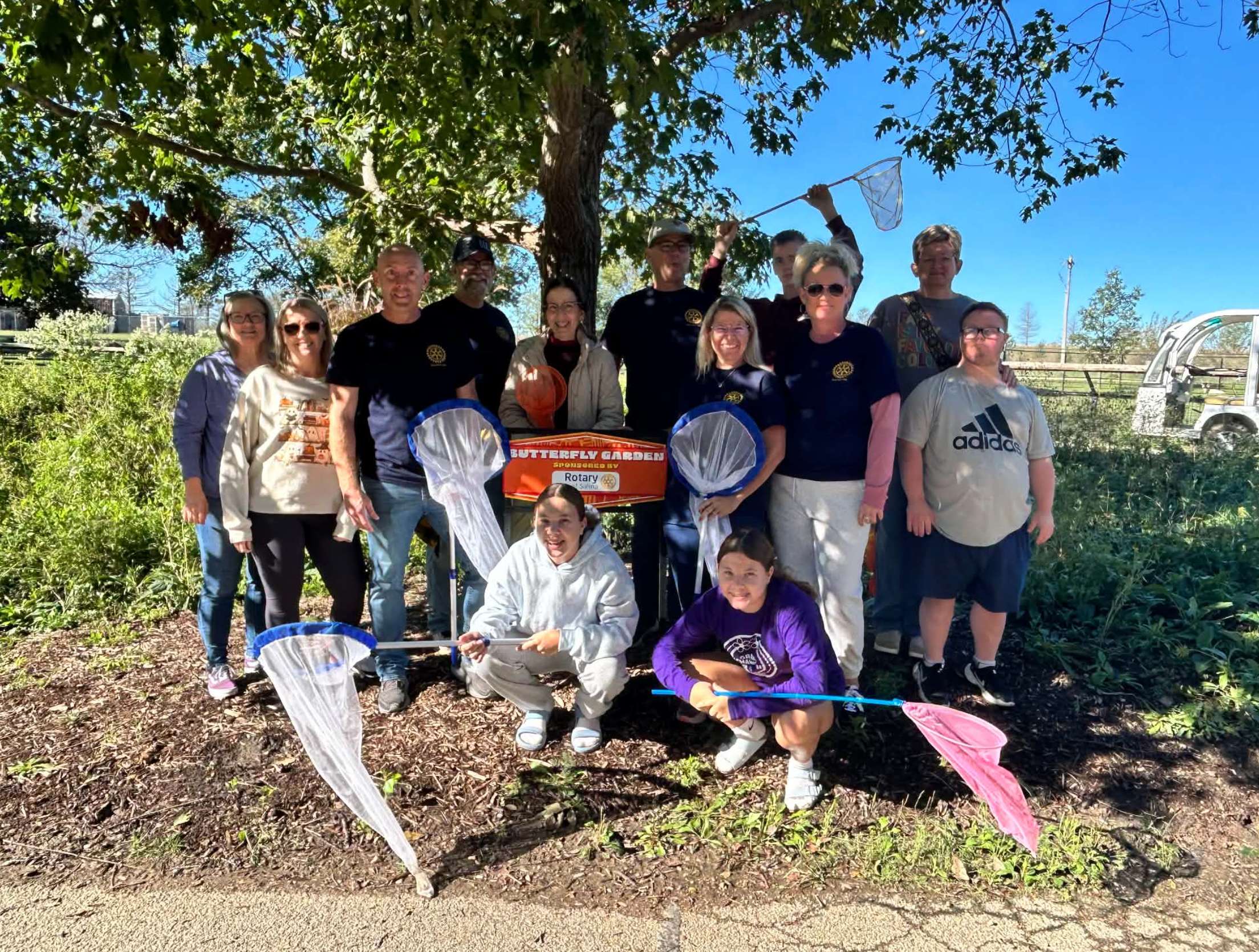
SALINA, Kan. — Members of the Rotary Club of Salina recently participated in a monarch butterfly tagging event at Rolling Hills Zoo. Twelve volunteers, including Rotarians and family members, spent a beautiful morning learning about monarch conservation and contributing valuable scientific data to the Monarch Watch research program.
The Rotary Club of Salina proudly sponsors two butterfly gardens at Rolling Hills Zoo, helping provide essential habitat for monarch butterflies and other pollinators. The event gave club members a hands-on opportunity to see the impact of that investment while supporting an important conservation effort.
Before heading into the gardens, Kyndal Mignery zoo educator provided an educational session about monarch butterflies and milkweed, the only plant on which monarchs lay their eggs. Volunteers learned how to identify male and female monarchs and gained insight into the challenges these remarkable insects face during their annual migration.
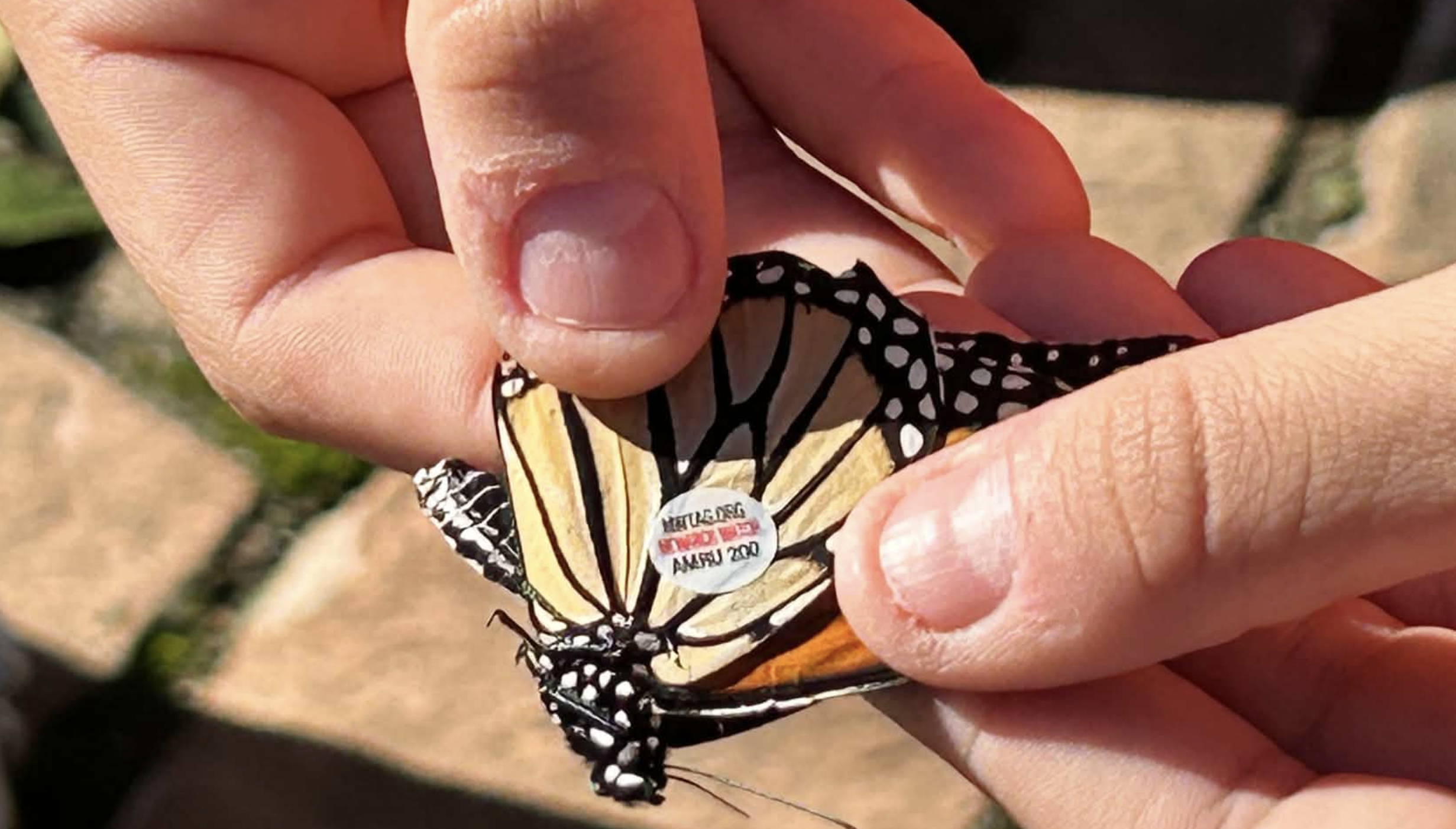
Armed with nets and newfound knowledge, participants carefully captured monarch butterflies and attached small identification tags to their wings. Each tag contains a unique number that can be tracked through the Monarch Watch program, helping researchers monitor migration patterns across North America.
Three Rolling Hills Zoo volunteers, Rebeka, Emmie and Davanee recorded important data on the Monarch Watch tagging sheets, including each butterfly's tag number, capture date, sex, and wing measurements. This information contributes to a broader scientific effort aimed at understanding and protecting monarch populations.
"I am thankful for opportunities to say yes to new experiences," said Michelle Coates, Rotary Club of Salina member. "Tagging monarch butterflies at Rolling Hills Zoo was a fun and meaningful way to learn about conservation, enjoy the outdoors, and connect with our community."
The group tagged approximately 25 monarch butterflies during the event, with Rotarian Brenda Gutierrez successfully catching and tagging six. After the tagging process was complete, volunteers released the monarchs back into their natural habitat.
"One of the most memorable parts of the morning was releasing the tagged monarchs back into the wild," said Jenni Jones, President of the Rotary Club of Salina. "Knowing that these butterflies may travel hundreds or even thousands of miles on their migration journey gave us a deeper appreciation for the importance of conservation and the role each of us can play in protecting our natural world."
"This was a wonderful opportunity to learn, serve, and have fun together," said John Hendrick, Public Image Chair of the Rotary Club of Salina. "Our members enjoyed supporting a project that not only benefits wildlife but also provides educational experiences for our community."
The partnership between the Rotary Club of Salina and Rolling Hills Zoo reflects a shared commitment to education, stewardship, and community engagement. While Rotary works to strengthen communities through service, the zoo inspires conservation through wildlife education and environmental awareness. Together, the organizations are helping create a healthier environment for future generations.
The Rotary Club of Salina extends its gratitude to the staff and volunteers at Rolling Hills Zoo for providing an engaging and meaningful experience. Through partnerships such as this, Rotary continues to demonstrate its motto of "Service Above Self" while making a positive impact throughout the community.