


By: NICOLAS FIERRO
Salina Post
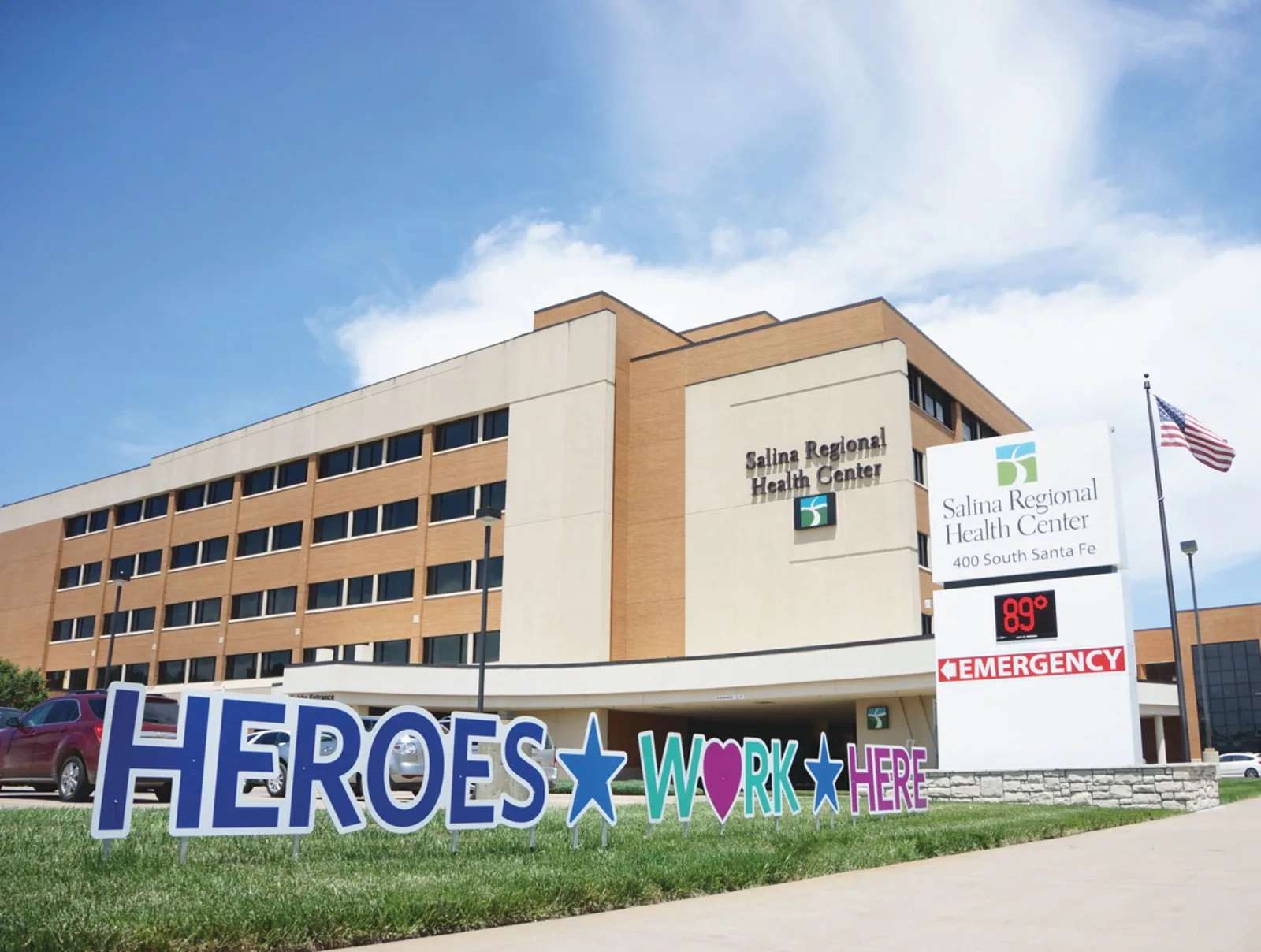
Salina Regional Health Center (SRHC) along with their affiliates in Concordia, Abilene and Lindsborg are all considered rural hospitals, which means they are awaiting the approval process to see if they will benefit from the over $200,000,000 through the Rural Health Transformation Program (RHTP).
On Monday Kansas Senators Roger Marshall and Jerry Moran along with Governor Laura Kelly, applauded the Trump Administration’s announcement of funding awards through the (RHTP), including a total of $221,898,008 for Kansas.
The RHTP invites all 50 states to apply for funding to address each state’s specific rural health challenges through 2026-2030. This is known as a $50 billion federal investment under the One Big Beautiful Bill Act to improve, sustain and modernize healthcare in rural America.
RHTP is administered by Centers for Medicare & Medicaid Services (CMS), which provides grants to states for innovative care delivery, workforce recruitment, and technology upgrades to address root causes of disease and health disparities.
Here is what the state of Kansas commented:
“Access to quality health care shouldn’t depend on your zip code, and thanks to President Trump’s leadership, this historic investment will transform rural care for Kansas families,” said Sen. Marshall. “This funding will help keep hospitals open, recruit and retain providers, expand access to specialty care, and modernize critical infrastructure. The Trump Administration is putting rural America first and delivering real results for the communities that feed, fuel, and defend this nation.”
“The Rural Health Transformation Program is a significant investment in rural health care and will help improve outcomes for struggling hospitals, invest in new technology and bolster rural communities,” said Sen. Moran. “I worked with my colleagues to establish this fund, and these resources will now be tailored to meet the individual needs of rural health care in each state with no match required by the state. I look forward to working with our health care leaders and state leaders to make certain Kansas providers are able to use these resources to improve the long-term success of rural providers.”
“This funding for Kansas will go a long way in fundamentally changing the healthcare delivery system for rural communities across the state,” said Governor Laura Kelly. “I want to thank the Kansas Rural Health Innovation Alliance for their input on the application development, KDHE, KDADS, and the team at the University of Kansas Health Care Collaborative, who partnered with the State in the development and submission of the plan to CMS.”
Kansas’ award will support projects that:
- Expand Primary and Secondary Prevention Programs.
- Secure Local Access to Primary Care.
- Build a Sustainable Rural Health Workforce.
- Enable Value-Based Care.
- Harness Data and Technology.
How the RHTP will be distributed
Half of the total funds ($25 billion over five years, or $5 billion annually) is distributed equally among all states with a CMS-approved application. All 50 states are approved, which means each state receives approximately $100 million annually from this portion.
The remaining half of the funds is allocated at the discretion of the CMS Administrator. This includes:
- The percentage of the state's population in a rural census tract.
- The proportion of rural health facilities in the state relative to the national count.
- The situation and needs of hospitals that serve a high proportion of low-income patients (Disproportionate Share Hospitals).
- Other relevant factors identified by CMS.
Funds for each state must be used by the end of the fiscal year, following the fiscal year in which the funds were allotted ranging from 2026-2030.
For example funds distributed in FY 2026 must be used by the end of FY 2027. By March 31, 2028 CMS will annually determine the amount of funds that are unused by states and redistribute such funds.
Any unused funds left as of October 1, 2032 will be returned to the Treasury.
Moreover, if CMS determined a state misused funds, it may withhold payments, reduce payments or recover payments from the state. No more than 10% of the funds can be used for administrative expenses.
Salina Regional Health Center and affiliates awaiting approval
SRHC and their affiliates are currently awaiting the approval conclusion.
"We are optimistic about our chances of receiving funds," said Executive Director of Government Affairs and Marketing, Ashley Hutchinson.
Hutchinson confirmed SRHC submitted several ideas to the Kansas Department of Health and Environment (KDHE) when they were putting together their application, and some of those ideas were present in their initial application.
The KDHE's application looked to address the following:
Improve rural Kansans’ health outcomes and transform the delivery system by implementing and sustaining initiatives that promote preventive health care and address root causes of diseases;
- Enhance rural health care providers’ efficiency and sustainability;
- Attract and retain a high-skilled health care workforce;
- Spark growth of innovative care models in rural communities that improve quality of care while reducing costs; and
- Foster the use of innovative technologies to increase access to care for rural Kansans.
"KDHE has spent time negotiating the application with CMS," said Hutchinson. "We are not aware of the approved application details, but understand these details will be forthcoming in the next two weeks. We will also be learning how we and other rural hospitals in Kansas can apply for these funds."
All Kansas counties with the exception of those located in Metropolitan Statistical Areas such as (Johnson, Wyandotte, Leavenworth, Miami, Linn, Douglas, Shawnee, Jefferson, Osage, Jackson, Wabaunsee, Riley, Geary, Pottawatomie, Sedgwick, Butler, Harvey, and Sumner) will be affected by the RHTP.