


By: NICOLAS FIERRO
Salina Post
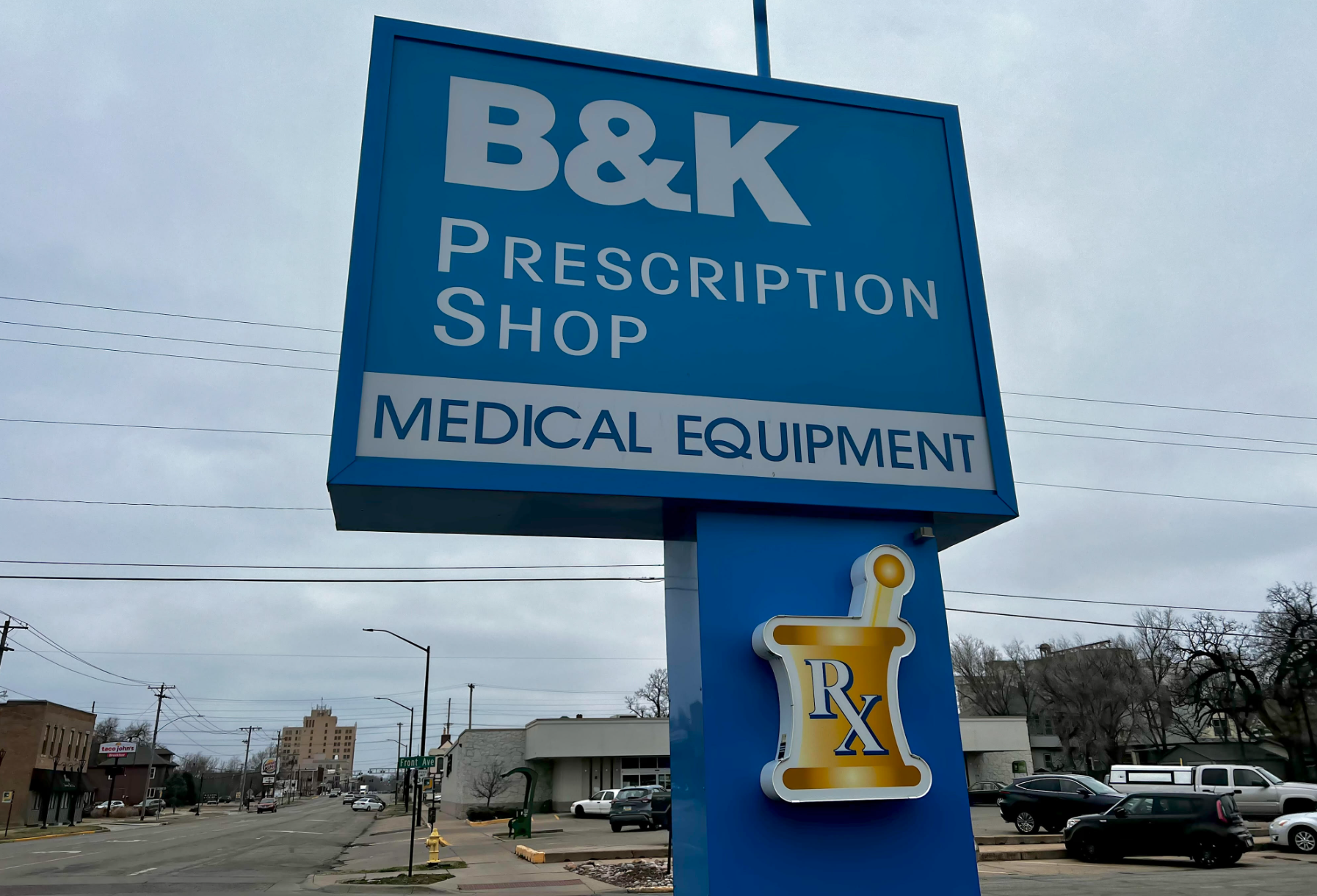
Kynan Gibson of B&K Prescription Shop in Salina has been in various conversations with state representatives and senators about the negative effects Pharmacy Benefit Managers (PBMs) have on local independent pharmacies and their consumers.
PBMs are a third-party administrator that acts as a "middleman" in the prescription drug supply chain, negotiating between drug manufacturers, pharmacies and insurance companies.
They provide real-time prescription drug prices, that pharmacies communicate with their consumers. PBMs decide which medications are covered, controlling the negotiation of drug manufacturer rebates, development of pharmacy networks, creation of drug formularies and the processing of claims for insurers and employers.
PBMs started in the 1960s and was created for the purpose of assisting insurance companies and employers manage costs of prescription drugs.
However, PBMs have been criticized for taking advantage of patients by making profit for themselves. Not only that, but prescription drug prices have skyrocketed in the past.
According to price transparency from the U.S. Department of Health and Human Services , Over the period from January 2022 to January 2023, more than 4,200 drug products had price increases, of which 46 percent were larger than the rate of inflation. The average drug price increase over the course of the period was 15.2 percent, which translates to $590 per drug product.
PMBs are known to make money by multiple ways which includes:
- Inflated premiums/copays.
- Below cost reimbursement.
- Rebate spread pricing.
Senator Scott Hill (R-Salina) called it “unfair marketing” when PBMs initiate the pricing for prescription drugs.
The big three PBMs include CVS Caremark, Express Scripts (Cigna), and OptumRx (UnitedHealth), as they control roughly 80-90% of of U.S. prescription drug claims.
PBMs are also known to partake in vertical integration, where they gain control over multiple aspects.
For example, CVS Health owns the insurer, (Aetna) PBM (CVS Caremark), which allows them to control formulary placement, negotiate manufacturer rebates and channel prescriptions to their own pharmacies.
Their control of rebate spread pricing, means they can collect $1,000 in rebates and only pass $500 to the payer or plan, as an example.
Gibson told Salina Post about a Kansas employer case study done by a pharmacist, Mike Burns who owns AuBurn pharmacies across the state, Oklahoma and Missouri. Burns a cancer patient, was told by his insurer he needed to go to their specialty pharmacy to get a drug in order for it to be covered. Burns however, knew he could have received that drug at a lower price at his own pharmacy for $2,300 for a 6 month supply, as opposed to the retailer which would have costed him $13,000 more.
“If you go to CVS or B&K, what your insurance pays is different,” said Gibson. You can go to CVS and the PBM will pay the insurance company more money just because they are owned by CVS.”
Gibson stated he wants audits to be less evasive, being able to see how PBMs are charging insurers, reimbursements that is fair and be included in networks such as Express Scripts.
Kansas has had over 130 independent pharmacies close since 2015, with around 16 in 2025 alone due to low reimbursements.
Senate Bill 360 passed
End of February, a bipartisan majority in the Kansas Senate passed SB 360 increasing oversight of prescription drug middlemen companies accused of manipulating lax regulations to promote anti-competitive practices, monopolize the market for maximum profit, undermine local pharmacies and raise costs for consumers.
According to Kansas Reflector, the bill would require transparency from PBMs in terms of pharmacy reimbursement and drug pricing. It would deal with PBMs giving their own retailers better deals by requiring all Kansas pharmacies to be reimbursed at or above the National Average Drug Acquisition Cost. A pharmacy dispensing fee would be implemented to better cover costs incurred by local or independent pharmacies, especially in rural communities.