


The views and opinions expressed in this editorial article are those of the author and do not reflect the official policy or position of the Post or Eagle Media. The editorial is intended to stimulate critical thinking and debate on issues of public interest and should be read with an open mind. Readers are encouraged to consider multiple sources of information and to form their own informed opinions.
By: CHRIS FETTERS
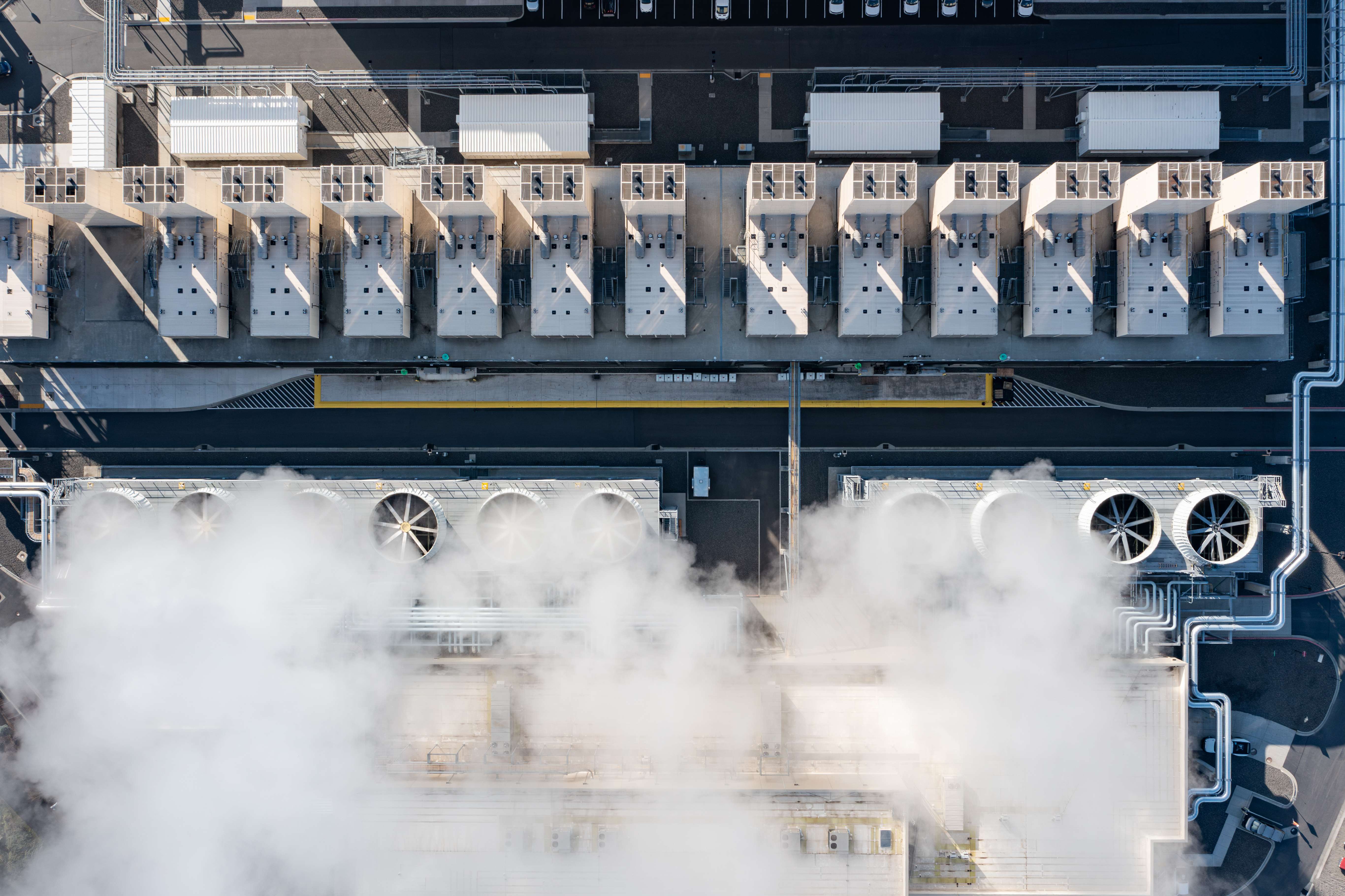
The equipment my company builds in Salina does one job, which is to separate and recover material from water. Systems like that succeed or fail based on how well they handle the water and the power it takes to move it. Thirty years of that work has trained me to size up a large project the way I size up a machine on the floor. I look past the brochure and ask how the thing manages its inputs. So when I hear that data centers are studying sites across Kansas, my question is a practical one: Are they built and sited to handle the water and power they need the way a serious operation should?
That question has a better answer than the loudest voices in this debate admit. The responsible operators now study the hydrology of a site before they decide how to cool a facility. They match the design to what the local watershed can carry, instead of forcing one approach onto ground that cannot support it. An engineer recognizes that discipline right away because it is the same care we take building a system for a customer who cannot afford to drain his own well to run it. Kansas should welcome the companies that work this way and turn down the ones that will not.
Power is the next input I would check and here, Kansas holds a strong hand. We already draw more of our electricity from wind than almost any state in the country, and landowners who host those turbines earn steady income from ground that still produces crops and cattle. Google built its growth around buying that kind of homegrown wind power, so new investment here deepens a market that already pays Kansas families. The bigger worry for most people is the monthly bill. This spring, the major builders pledged to cover the cost of the grid infrastructure their facilities require, which keeps the substations and line upgrades on company budgets and off the backs of ratepayers in Saline County. A well-built system carries its own load, and Topeka should hold every company that comes courting to that standard.
When a project clears those tests, what it gives back to a community lasts. A single campus generates millions in property tax revenue for the school districts that educate our kids, the county roads our trucks depend on, and the fire departments that answer when we call. The construction puts Kansas electricians, pipefitters, and operators to work for years at a time, and for every job inside the fence line, the supply chain supports several more at companies like mine.
Kansas has always made things and processed things, and the infrastructure behind artificial intelligence is the next chapter of that story. A recent National Taxpayers Union report, Speed to Power, found that the industry injected about $727 billion into the American economy in the first half of last year. The communities that win that investment will be the ones that move quickly and vet seriously. I would rather see Salina earn a place in that chapter than watch the workforce and tax base settle in Texas or Iowa. I have spent my career trusting systems that are built right. This one can be.
Chris Fetters is a professional engineer and the CEO and CTO of Flotration Technologies, a Kansas water treatment company