


TOPEKA - The arrival of colder weather means more homes will be turning up the heat with fuel-burning appliances. These appliances include furnaces, ovens, space heaters, generators, indoor grills, and fireplaces that can unknowingly cause dangerous levels of carbon monoxide (CO) to build up in the home.
According to the Centers for Disease Control and Prevention, in 2015 there were 393 deaths from unintentional carbon monoxide poisoning in the United States. Over one-third of these deaths occurred during the colder weather months of December, January and February. In Kansas, from 2012 to 2016, there were annually an average of 130 emergency department visits, 23 hospitalizations, and 11 deaths due to unintentional carbon monoxide poisoning. As of May 2018, KDHE updated regulations for the reporting of notifiable disease conditions adding carbon monoxide poisoning to Kansas’ list of reportable diseases.
"Between May 2018 and May 2019, which was our first full year of reporting, we had 174 cases of carbon monoxide poisoning reported to us,” said Dr. Farah Ahmed, Environmental Health Officer and State Epidemiologist with the Kansas Department of Health and Environment. “After investigating the reports that occurred in public settings in Kansas, we have started to plan prevention efforts focused on restaurants, which were among the most common public places for unintentional carbon monoxide poisoning.”
“Carbon monoxide is known as the invisible killer because it is colorless and odorless,” said Cherie Sage, Safe Kids Kansas. “The symptoms of CO poisoning are similar to those of common winter ailments, like the flu. Without a CO alarm in your home, your family can be poisoned without even realizing it’s happening.”
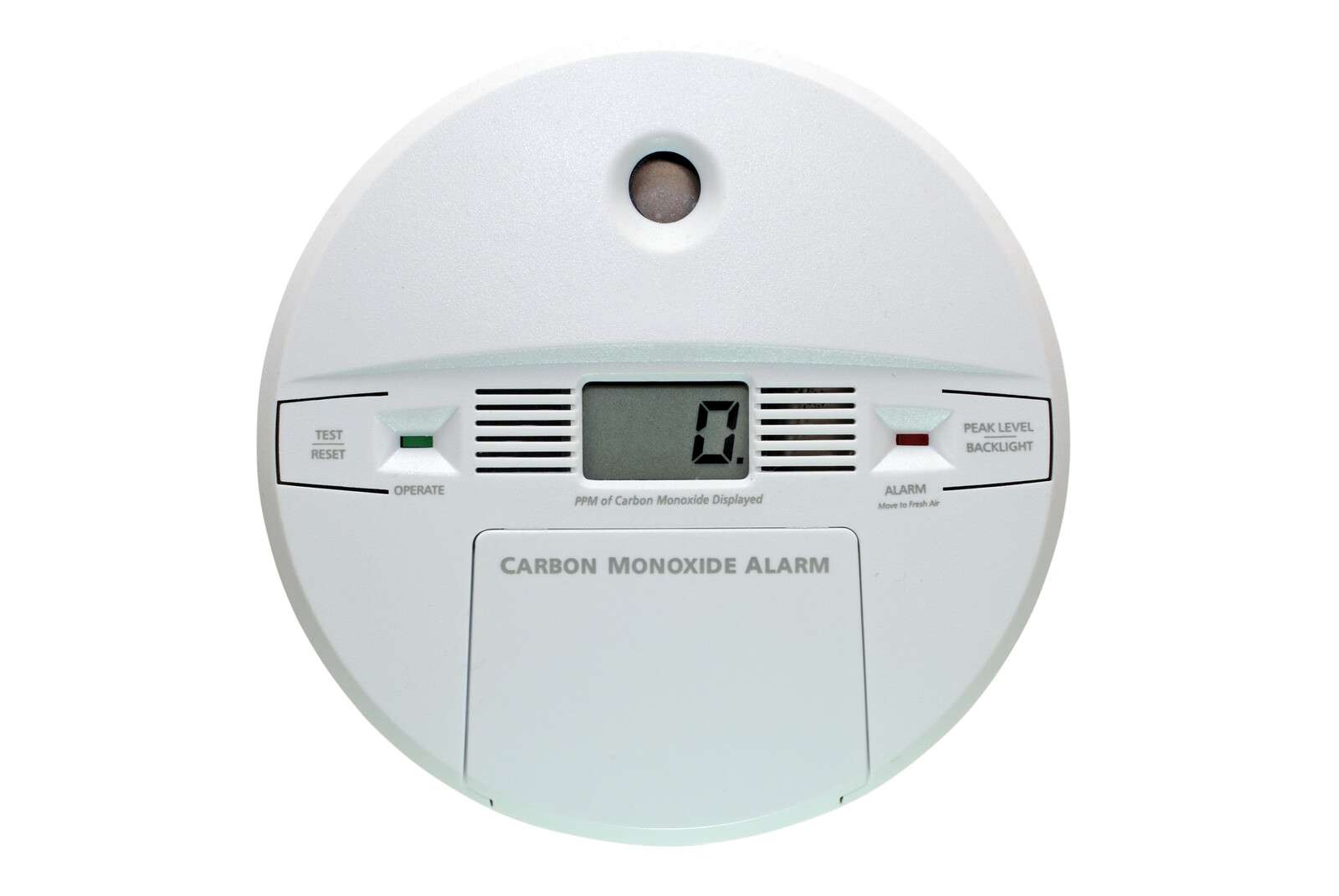
Carbon monoxide poisoning can happen suddenly or cause poisoning over a longer amount of time. Carbon Monoxide alarms cost approximately $20 and can be purchased at most hardware and retail stores.
Tips to protect your family from CO poisoning:
Prevent CO buildup in the first place - make sure heating appliances are in good working order and used only in well-ventilated areas. Don’t run a car engine or any other gas powered tool in the garage, even with the garage doors open. If you need to warm up your vehicle, move it outside first.
Install alarms in the hallway near the bedrooms in each separate sleeping area and on every level of the home. Keep alarms at least 15 inches from all fuel-burning appliances.
Follow manufacturer’s directions for installation, testing, and using CO alarms. There are many options and styles to choose from including hardwired, combination smoke and CO alarms, and battery operated. When you check your smoke alarm batteries each month, check the batteries on your CO alarms at the same time.
Never use an oven or gas range for heating.
Only use portable generators, gas camp stoves, and charcoal grills outside with proper ventilation. They cannot be used indoors, inside of a garage or enclosed porch.
If more than one person in the home suddenly feels ill for no apparent reason, or if a CO alarm goes off, get everyone outside immediately and call 911 from a pre-arranged meeting place. Pay attention to pets, sometimes they will show signs of illness first.
Don’t go back inside until the fire department or gas company says it is safe.
"Early detection can mean the difference between life and death when it comes to Carbon Monoxide poisoning," said State Fire Marshal Doug Jorgensen. "CO alarms, along with smoke alarms, are one of the best ways to provide protection in your home for your family."
The Kansas Office of the State Fire Marshal, through its “Get Alarmed, Kansas,” program, is working with fire departments across the state to deliver and install free smoke alarms, which include CO detection. For more information on “Get Alarmed, Kansas,” visit, www.GetAlarmedKS.org.
For more information about CO poisoning, visit www.safekids.org, or call the Poison Control Hotline at (800) 222-1222.