


The views and opinions expressed in this editorial article are those of the author and do not reflect the official policy or position of Salina Post or Eagle Media. The editorial is intended to stimulate critical thinking and debate on issues of public interest and should be read with an open mind. Readers are encouraged to consider multiple sources of information and to form their own informed opinions.
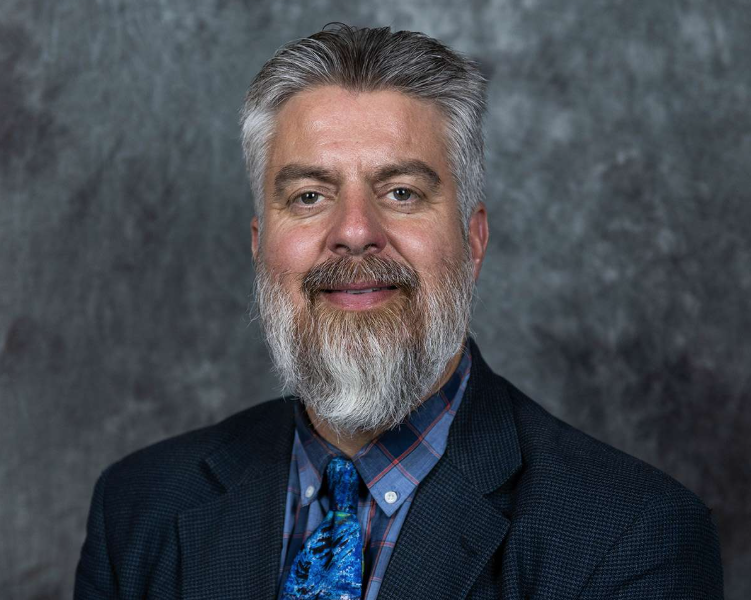
By: RUSSELL FOX
As a proposed statewide ban on cell phones in Kansas classrooms winds its way through our state legislature—a ban that at least initially had strong support from both parties, a ban that would be similar to actions that have been taken in multiple other states—an interesting question has arisen. What is more important to the Kansas legislators: the well-being of students, or freedom from regulation for alternatives to public education?
In answering that question, Kansas Senate President Ty Masterson drew a fairly explicit line: “The epidemic of cell phones disrupting classrooms and damaging our kids’ mental health is a top priority. But a fix must not trample on the independence of private schools. The radical left would exploit any opening to impose their agenda on faith-based and independent education. Rather than creating bad precedent, we will use this opportunity to review all state mandates on private schools and create a bright line that government will not cross.”
The epidemic he refers to is well-documented, by both numerous scholars and by a separate study commissioned by the Kansas Department of Education. Screen and smartphone addiction clearly creates distractions, interferes with learning, and invites bullying and other psychological pathologies.
The data doesn’t necessarily mandate a complete bell-to-bell ban on cell phones in schools (the National Association of State Boards of Education encourages local school board involvement, concluding that “bans of devices during the school day alone will not address the complicated, potential harms arising from students’ online behaviors”), but everyone agrees that whatever compromise is reached, it should be implemented consistently, covering all students equally.
Unless, perhaps, you attend a private—or shall we say a “faith-based and independent”—school?
It’s not that Masterson is opposed to students whose parents opt to home school or to make use of private schools being able to enjoy the educational environments and resources that are generated through Kansas’s free public school system. After all, he has been a major force behind both making certain that Kansas students being educated privately or at home be allowed to participate in all public school activities, both athletic and academic and promoting school choice plans that could provide up to $200 million in tax relief every year to support Kansas parents who want to send their children to a private school or teach them at home.
Rather, the idea appears to be that, though public schools will be expected to follow the best research in working out how to deal with a problem facing young people throughout Kansas, about 9% of Kansas students (those that attend private or home schools) perhaps ought to be left to their own devices (literally!), all for the sake being free from state mandates, however educationally justified.
Of course, the problem isn’t that straightforward. For one thing, regulating how parents impose—or don’t impose—cell phone restrictions while teaching in their children in their own homes would an impossible, and terribly invasive, act. For another, many private schools are
very small, and requiring them to comply with state-wide regulations could be terribly burdensome.
But still, taking seriously public education is a value deeply rooted in Kansas history and law. Which makes the belief that educational alternatives to publicly funded schools should be given both additional financial support and access to educational resources, but should also be exempt from any concerted action to introduce best practices on those schools and resources, is a difficult one to balance, to say the least.
Dr. Russell Arben Fox teaches politics at Friends University in Wichita, KS
You can send us your opinions/letters to the editor, along with your name, state, city/county location and title of article to newstips@salinapost.com