


Office of Senator Roger Marshall
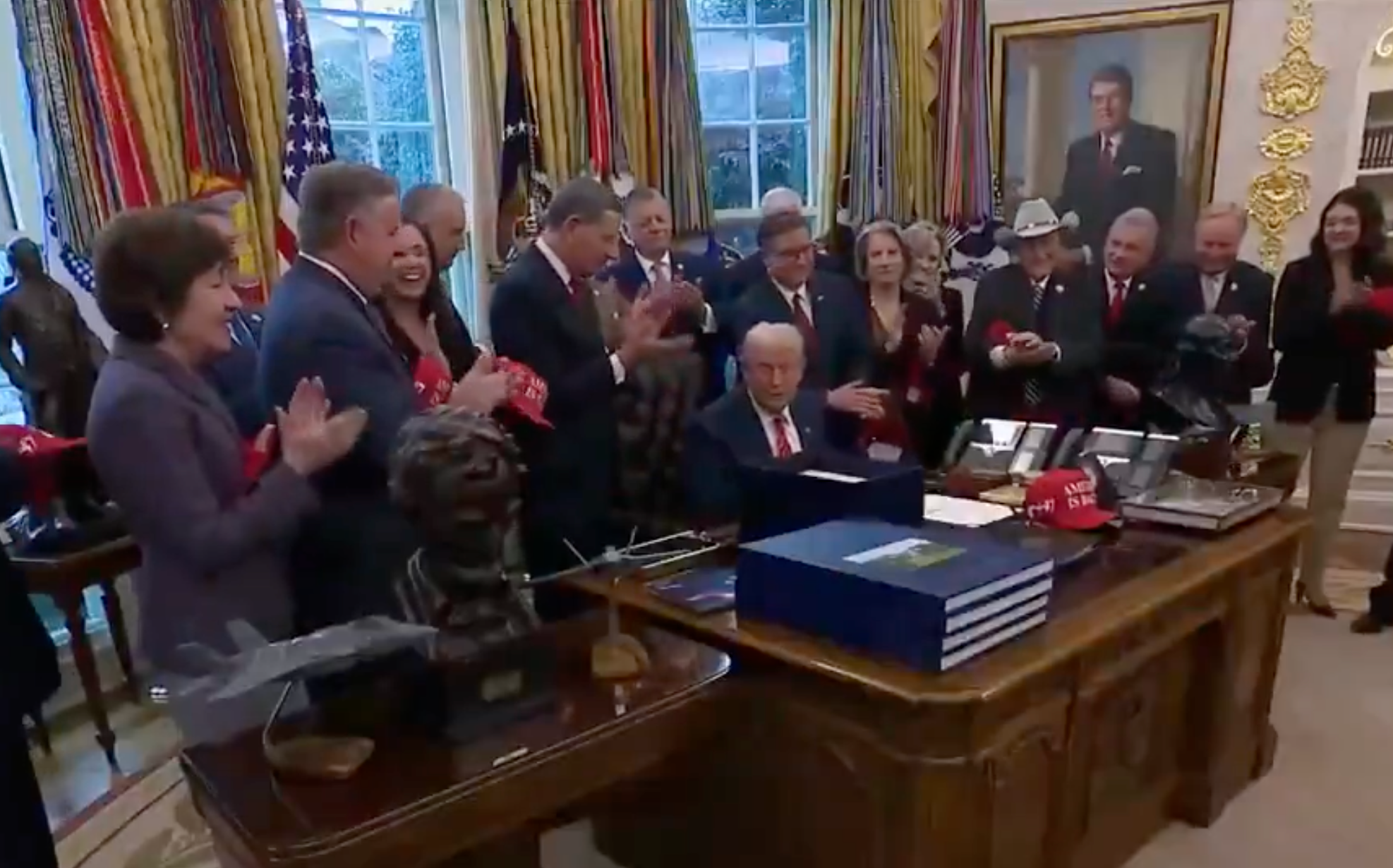
Washington – On Tuesday, President Trump signed the Consolidated Appropriations Act, 2026," into law. The legislation advances several key healthcare priorities long championed by Kansas U.S. Senator Roger Marshall, according to a statement from his office.
“The legislation provides $418 million for rural health, strengthens our healthcare workforce, maintains critical funding for Community Health Centers, and extends telehealth and hospital-at-home flexibilities that Kansans rely on,” said Senator Marshall. “It also invests in maternal and child health, mental health services, and life-saving medical research, while cutting over $100 million in unnecessary HHS bureaucracy.”
Senator Marshall also emphasized that Republicans stepped in to prevent Medicaid spending from continuing on an unsustainable trajectory that threatened the program’s future.
Prior proposals would have allowed unchecked growth, threatening long-term access for the most vulnerable. This package introduces responsible reforms that protect beneficiaries while ensuring Medicaid remains viable for future generations.
“Medicaid was on a path to bust – crowding out care for the truly vulnerable and burdening states and taxpayers,” said Senator Marshall. “Republicans fought to protect this vital safety-net program by improving oversight, targeting resources appropriately, and ensuring Medicaid remains available for those who need it most today and for generations to come.”
Labor, Health and Human Services (L/HHS) Appropriations Highlights
The package provides a discretionary total of $116.6 billion for the Department of Health and Human Services while reducing unnecessary federal bureaucracy by over $100 million.
Senator Marshall championed several of the provisions included in the package. These include:
- $1.9 billion to sustain Community Health Centers, preserving access to primary care in underserved communities.
- Streamlined enrollment for eligible out-of-state providers under Medicaid and CHIP to make it easier for people to access care.
- Preserving telehealth flexibilities through 2027 and extending hospital-at-home waivers through September 2030.
- Expanding coverage for multi-cancer early detection screening tests.
- Increasing transparency for pharmacy benefit managers and reigning in predatory practices.
- Long-term funding for Community Health Centers, the National Health Service Corps, and Teaching Health Center GME programs.
- Support for preventing maternal deaths, honoring living organ donors, pediatric drug studies, sickle cell disease treatment, lifespan respite care, PREEMIE programs, and the Dr. Lorna Breen Health Care Provider Protection Act.
- Strengthened oversight of pharmacy benefit management (PBM) services to hold middlemen accountable.
Other Key investments include:
- $418 million for rural health, increasing support for rural hospitals at risk of closure, and expanding rural residency training opportunities.
- $1.4 billion to strengthen the healthcare workforce and connect providers to rural and underserved areas.
- $1.2 billion for maternal and child health, supporting healthier pregnancies and outcomes.
- $49 billion for the National Institutes of Health (NIH) to advance lifesaving medical research.
- Increased funding for mental health and substance use block grants, including Certified Community Behavioral Health Clinics.
- $3.2 billion for medical countermeasures to protect against chemical, biological, radiological, and nuclear threats—an increase of $73 million.
- Elimination of the CDC’s Social Determinants of Health program, refocusing the agency on its core public health mission.
Health Extenders Package: Strengthening Medicaid and Medicare Medicaid Reforms
The package includes targeted reforms to Medicaid while improving access and accountability:
- Removal of certain age restrictions for working adults with disabilities.
- Clear residency and coverage standards for military families.
- State studies and an HHS report on the cost of maternity, labor, and delivery services.
- Adjustments to Disproportionate Share Hospital (DSH) allotments and payment limitations to better reflect hospital needs.
Medicare Improvements
The legislation delivers long-term certainty for providers and expanded access for seniors by:
- Extending payment adjustments for low-volume hospitals and the Medicare-Dependent Hospital (MDH) program.
- Extending add-on payments for ambulance services.
- Supporting in-home cardiopulmonary rehabilitation.
- Ensuring continued access to hospice care, outreach for low-income seniors, and quality measurement programs.
- Covering external infusion pumps and home infusion drugs.
- Strengthening program integrity for durable medical equipment.
- Advancing transparency through the REAL Health Providers Act.
- Supporting innovation through wearable device reporting and virtual diabetes prevention programs.
Public Health Extenders and Programs
The package extends and strengthens critical public health initiatives, including:
- Extension of special diabetes programs and national health security initiatives.
- Continued implementation of the No Surprises Act.
Lowering Prescription Drug Costs
The package includes commonsense reforms to lower prescription drug costs and increase transparency for patients and taxpayers, including:
- Requirement that prescription drug rebates be fully passed through to health plans, with protections for innocent plan fiduciaries.
- Increased transparency in the generic drug application process to promote competition and speed access to lower-cost medications.