


WASHINGTON (AP) —Iran's president defended a memorandum of understanding with the United States as the best way out of a stalled war.
Meanwhile, the new head of the Islamic Republic's top security body warned, in a more forceful tone, of retaliation if neighboring countries support U.S. threats to further sanction Tehran.
Pakistan's army chief planned to travel to Tehran on Monday, Iranian media reported.
A Palestinian man was beaten by an Israeli settler outside his home, and Israel's military said they were pursuing a stabbing suspect in a separate attack, the latest violence in the occupied West Bank. An Israeli airstrike in Gaza killed a child, according to a local hospital.
Here’s a look at the latest developments in the Iran war and the wider Middle East on Sunday. Full coverage can be found here.
Iran seeks to get past this stalled phase
Iranian President Masoud Pezeshkian defended a recent memorandum of understanding as the best way for the country to move beyond what he described as a situation of “neither war nor peace.”
“There is not a single provision in this agreement that amounts to capitulation,” Pezeshkian said in a speech published by state-run IRNA early on Sunday. “The supreme leader sets the policies, and we will follow that path.”
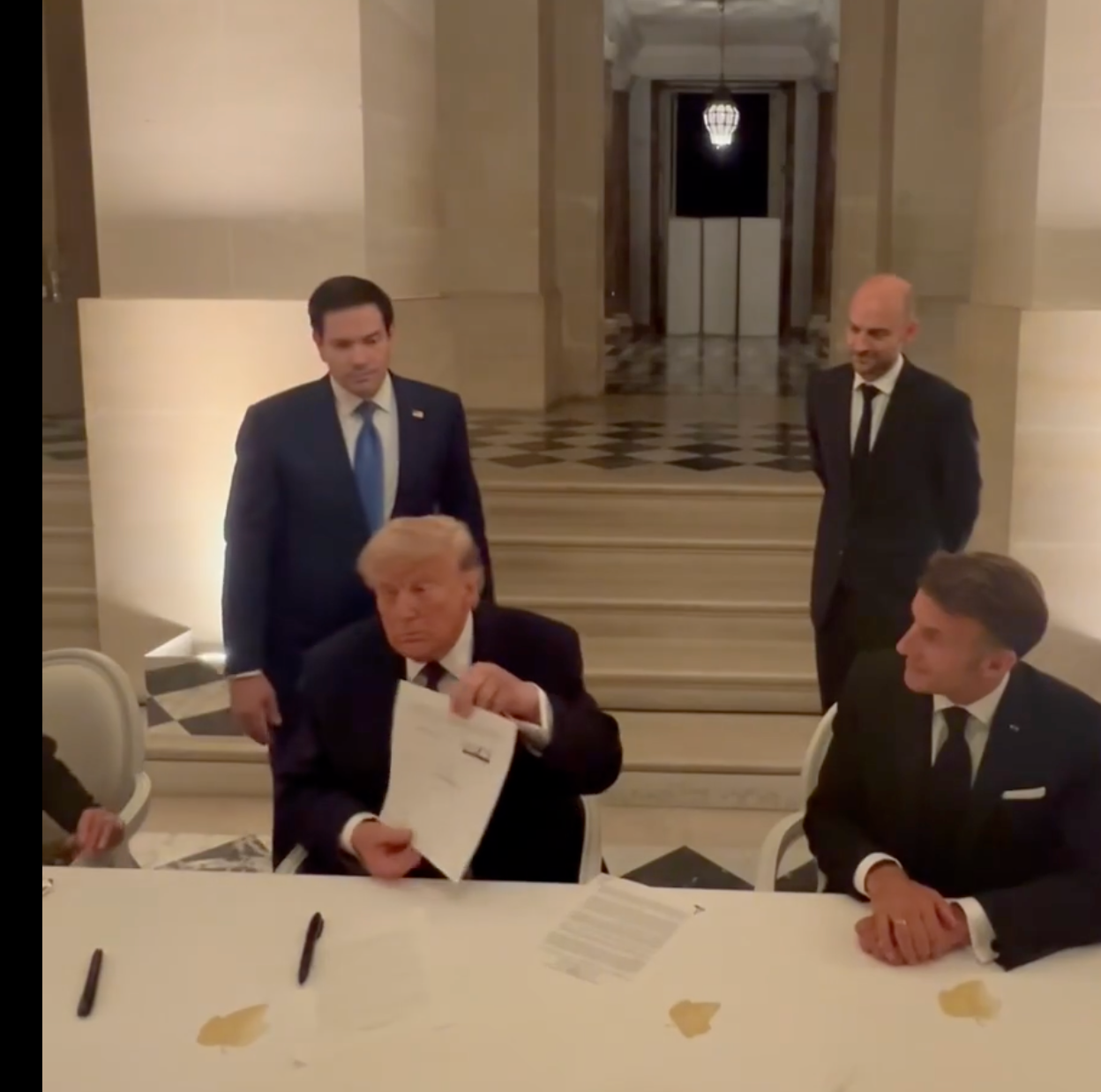
The deal known as the Memorandum of Understanding that U.S. President Donald Trump signed in June set a 60-day deadline for ending the war with Iran and reaching an accord on its nuclear program. That period ended last week, but no signs of compromise have emerged, especially on the crucial issue of reopening the Strait of Hormuz, vital to global shipping.
Pezeshkian also linked the agreement to Iran’s economic prospects, saying the country couldn't attract investment in this stalled phase.
Nearly six months into the war with the United States and Israel, Iran's economy is suffering under sanctions and a naval blockade.
Iran's security chief warns neighbors not to join any sanctions
Meanwhile, the hard-line new leader of Iran’s Supreme National Security Council warned Tehran’s neighbors against joining the new U.S. effort to hurt Iran’s economy.
“If (Trump) wants to do something, we will retaliate in a seismic manner,” Mohsen Rezaei said in an interview with the state broadcaster that aired Saturday.
Rezaei was named this month as part of senior appointments widely seen as hardening Tehran’s political and military stance. His interview with IRIB is his most extensive public statement since then.
Rezaei said Iran would target oil-shipping routes out of the Persian Gulf — alternatives to the Strait of Hormuz — if neighbors join what he described as the economic war against Iran.
Pakistan's army chief will visit Tehran
Pakistani Field Marshal Asim Munir will lead an official delegation traveling to Tehran on Monday, Iranian state television reported, citing Iran's Foreign Ministry spokesman, Esmail Baghaei.
Two regional officials said that the visit was part of Islamabad’s ongoing efforts to de-escalate tensions between the United States and Iran, and urge both countries to return to the negotiating table. The officials spoke on condition of anonymity because they were not authorized to discuss the matter publicly.
— By Munir Ahmed in Islamabad.
Iran executes man arrested during January's protests
The judiciary’s Mizan news agency reported on Sunday the latest execution connected to the protests, identifying the man as Majid Adineh and saying he was arrested Jan. 9 in Mohammadshahr, near Karaj, west of Tehran. Authorities said that he was carrying a handgun with 30 rounds of ammunition, two stun guns, two cans of tear gas and a battery-powered chain saw.
The judiciary said that forensic examinations indicated the handgun had been fired on Jan. 8 and 9. Mizan said Adineh had joined the unrest following calls by groups opposed to Iran’s government and alleged that he had received training from groups outside the country.
A Revolutionary Court in Karaj later convicted Adineh under Iran’s law imposing harsher penalties for espionage and cooperation with hostile states. Mizan said that the verdict accused him of carrying out operations on behalf of Israel, the United States and other groups Iran considers hostile.