


By: Morgan Chilson
Kansas Reflector
TOPEKA — An ongoing battle between the attorney general and Kansas governor about releasing Kansans’ personal data to the federal government made its way to a Tuesday committee hearing on a bill intended to force the governor’s hand.
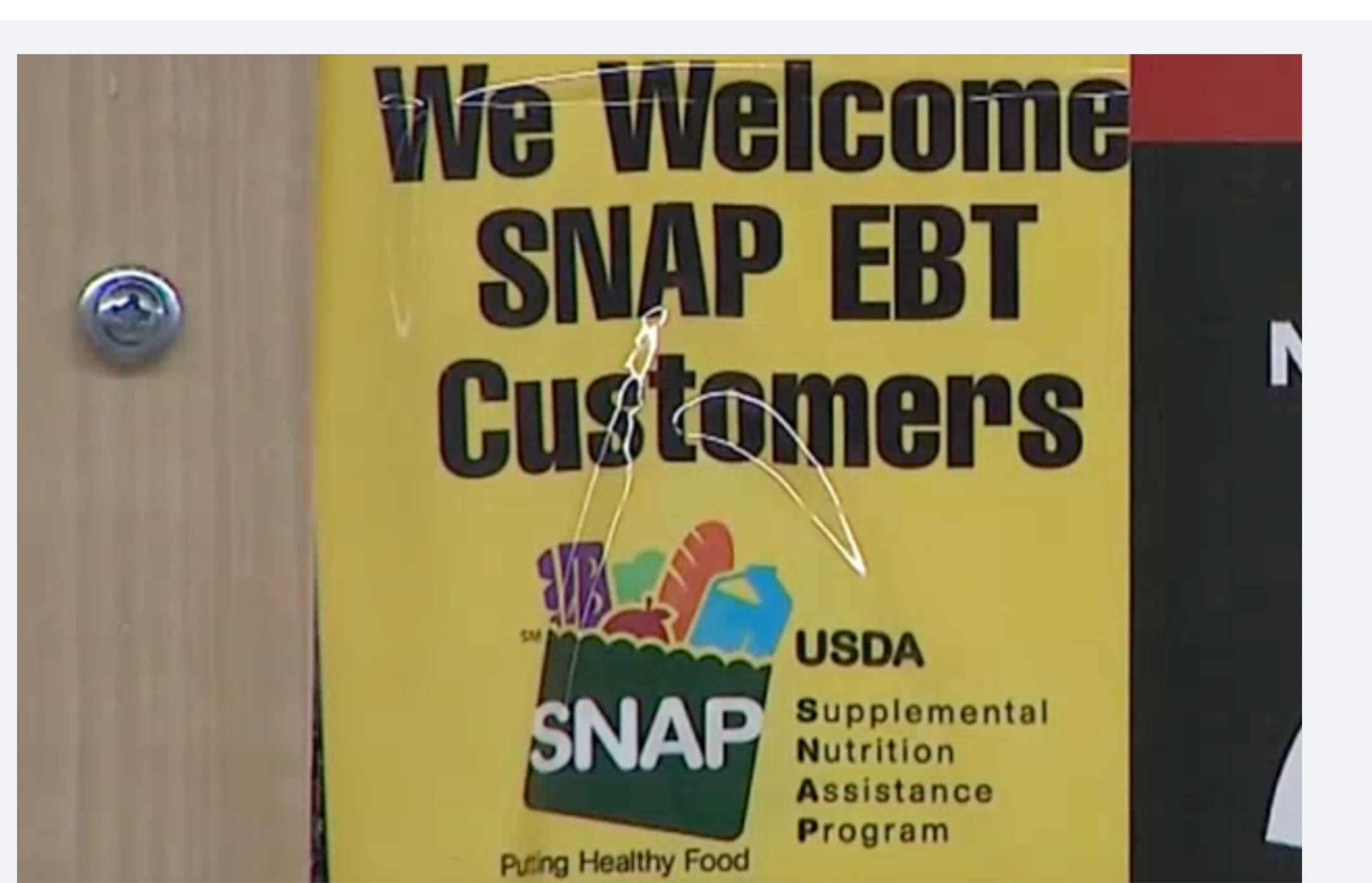
Senate Bill 428 requires the secretary of the Department for Children and Families to respond to federal data requests from the U.S. Department of Agriculture of the U.S. Department of Health and Human Services and release the data within 90 days.
The bill results from the Department for Children and Family’s refusal to share private data of food program applicants and recipients with the USDA, Attorney General Kris Kobach told the Senate Committee on Government Efficiency, or COGE.
“They don’t want the USDA to share the names of (Supplemental Nutrition Assistance Program) recipients with other federal agencies,” Kobach said. “Now, why would they not want that? I’m almost certain they don’t want it to be shared with the Justice Department so that a SNAP recipient who is fraudulently getting this money could be prosecuted.”
Kobach also said the governor didn’t want the data shared because the Department of Homeland Security could use it to identify people in the country illegally who receive food assistance.
People who are legal permanent residents can qualify for SNAP.
Gov. Laura Kelly’s spokeswoman, Olivia Taylor-Puckett, said DCF has concerns about whether USDA’s stated intent on using the data is legal.
“The Governor’s administration has been repeatedly raising concerns about the legality of the USDA’s data request as it pertains to the ‘Routine Use 8′ provision, which includes sharing Kansans’ personal private data, including full Social Security numbers, with foreign entities,” she said in an emailed statement. “It is both disappointing and disturbing that the Attorney General still doesn’t know the basic issues with the USDA’s request.”
Taylor-Puckett’s statement referred to a USDA notice published in the Federal Register that detailed how the data would be used. One section allowed the information to be shared with foreign entities.
Kansas is one of 21 states, all of which are participants in a Massachusetts lawsuit, that question whether the USDA’s intended use of the data is allowed in their data sharing contract. The case is still being decided.
Kobach told the committee the state will lose $20.8 million as part of its SNAP program because DCF did not release the data. DCF appealed the penalty so no money has been withheld from state SNAP administrative funds.
A hearing on the state’s appeal will be held Feb. 17, a governor’s office spokesperson said.
Travis Couture-Lovelady, a lobbyist with FGA Action, testified in favor of the bill, citing concerns with the integrity of the SNAP program.
“The goal is simple — reserve benefits for truly needy families and hold the fraudsters accountable,” he said.
Couture-Lovelady said the food assistance program has been “plagued” with improper payments, eligibility errors and fraud, as well as large-scale losses to benefit card theft and hacking schemes.
“In 2024, as the attorney general said, that’s the most recent data we have, Kansas’ SNAP error rate was nearly 10%, meaning roughly one out of every $10 in benefits was issued improperly, and that level of error is completely unacceptable,” he said.
The state’s SNAP error rate is not tied to fraud but instead tracks data entry errors, incomplete or inaccurate applicant information and other problems, according to DCF secretary Laura Howard. Fraud cases are handled through a separate department and aren’t included in the SNAP error rate.
DCF is working to drop the error rate, which was under the 6% federally set threshold in August, at 5.5%.
Haley Kottler, an anti-hunger campaign director with Kansas Appleseed, submitted written testimony opposing the bill.
“This most recent conflict between 21 states and the federal government illustrates the extreme risk Kansas would be taking by enacting SB 428,” she said. “The provisions of this bill would not allow DCF and KDHE to contest federal data requests, despite the potential for serious concerns regarding privacy protection, the burden imposed on state resources and administrators, the misuse of data, liability, and compliance with eventual court decisions.”
She also raised concerns that threats to privacy would deter eligible households from seeking food assistance.