


Both sides agree 7-hydroxymitragynine, or 7-OH, needs regulation, but opponents say kratom shouldn’t be included
BY: GRACE HILLS
Kansas Reflector
TOPEKA — A bill heard Monday would list kratom as a Schedule 1 drug, moving the previously unclassified substance into the same category as methamphetamine, cocaine and heroin.
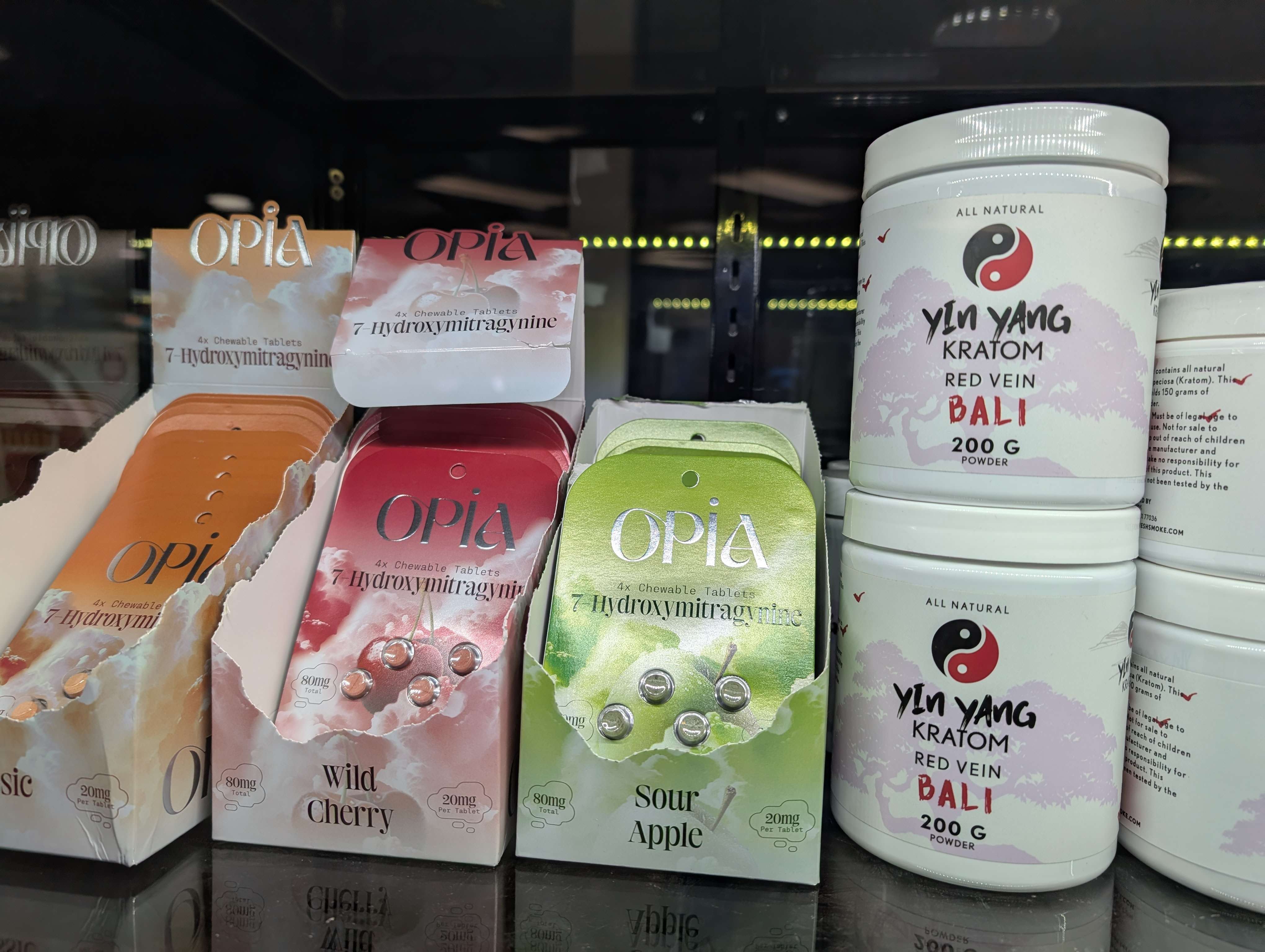
Senate Bill 497 classifies both Kratom and 7-hydroxymitragynine, or 7-OH, as controlled substances. Proponents and opponents Monday before the Senate Public Health and Welfare Committee agreed that 7-OH — the opioid-like compound derived from kratom — is hurting Kansans, but opponents argued the bill wrongly equates the two substances.
Several proponents came from state organizations. One was Sara Hortenstine, youth services division chief for the Kansas Attorney General’s Office.
“If we continue to allow widespread retail access to substances that act like opioids, we will see opioid-type consequences that include more addiction and overdoses and preventable deaths in our state,” Hortenstine said.
David Kuntz works for the Clinical Reference Laboratory in Lenexa. He said he’s seen more 7-OH recently than oxycodone, hydrocodone and fentanyl combined.
If the bill passes, Kansas would join a growing number of states in banning kratom or 7-OH. Kratom and 7-OH aren’t considered a controlled substance in Kansas, but there have been regional bans.
On Thursday, Kansas City, Missouri barred the sale of synthetic kratom — known as 7-OH — and restricted kratom sales to adults older than 21. House Bill 2230 from last session would have taken a similar path in Kansas, but was never heard by the House.
Kratom is marketed as a stimulant if used in low dosages, and a sedative at higher ones. It’s also been used to ease the symptoms of withdrawal from opioids. The Food and Drug Administration said 7-OH naturally occurs in trace amounts in kratom, but when synthesized it acts more like an opioid, and increases the chance of addiction.
Kelly Gray owns two shops that sell kratom in Salina and Derby. He broke his back 10 years ago, and was prescribed opioids. He became addicted and decided to quit.
“I was still going through daily pain with my back as well as my hips being bone on bone when I heard about and tried kratom, after much research. It completely changed my life for the better,” Gray said.
Jason Todack runs a similar business in Topeka. He also uses kratom.
“I’ve seen addicts from fentanyl. I’ve seen alcoholics use it. I’ve seen people hooked on pain pills,” Todack said. “This is an all-natural, whole leaf product, this product gives people choices and options to be able to get off of these other heinous drugs that are out there. I see this literally every day.”
Nearly every opponent asked legislators not to lump kratom and 7-OH in the same group.
The FDA recommended scheduling 7-OH as a controlled substance, and specified they are “not focused on natural kratom leaf products.”
Mac Haddow, a senior fellow on public policy for the American Kratom Association based in Virginia, said the bill should be amended to focus solely on 7-OH.
Bob Stuart is an executive officer for the Kansas Bureau of Investigation. He said it’s difficult for KBI officers to differentiate between the two substances. Haddow disagreed.