


By: Anna Kaminski
Kansas Reflector
TOPEKA — Kansas and 28 other states have opted to participate in the Trump administration’s school voucher-style program, which supporters say will benefit both public and private schools.
But in Leah Fliter’s opinion, that’s likely not how it will play out.
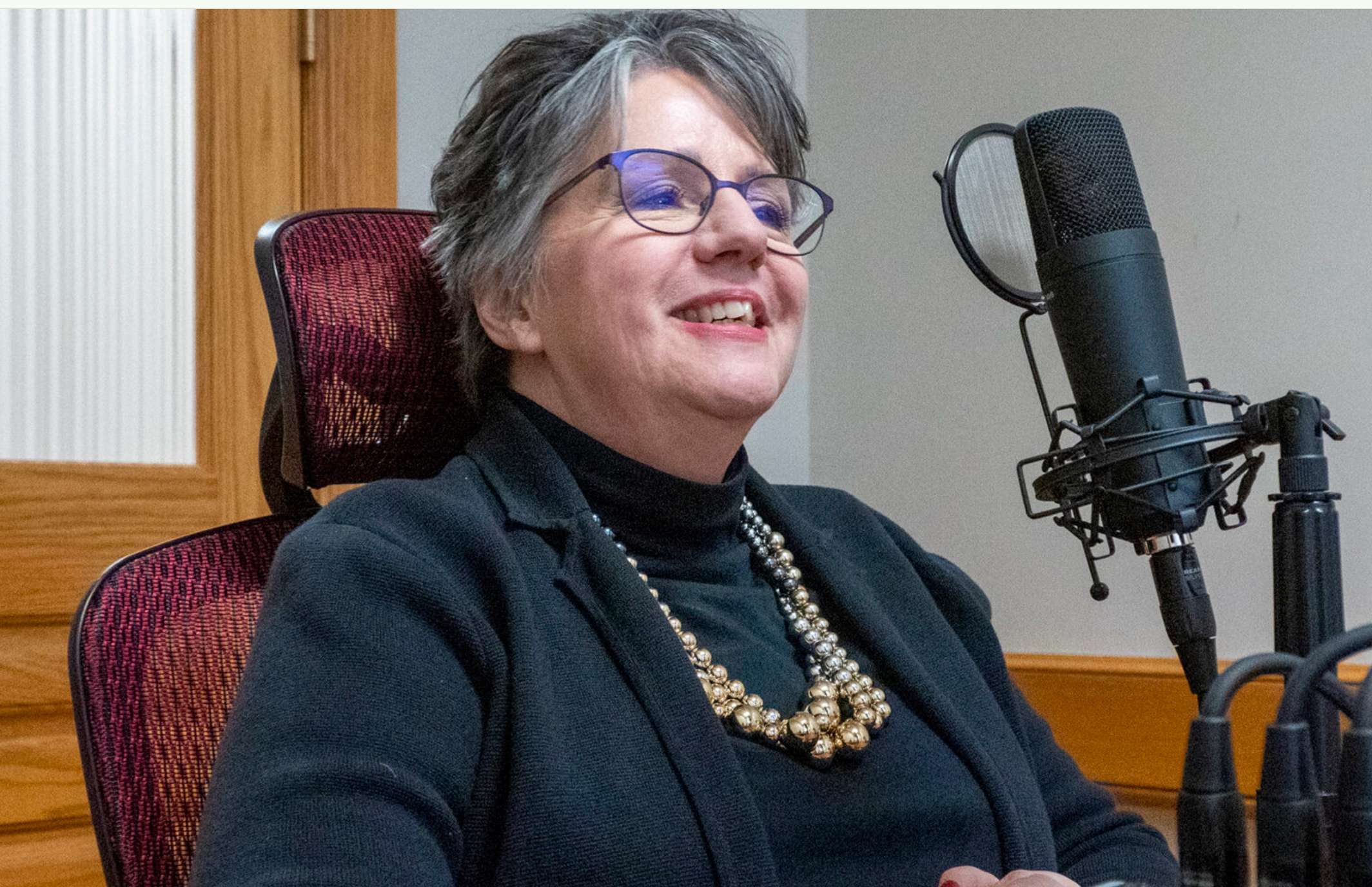
Fliter, who is part of the lobbying team for the Kansas Association of School Boards, said on the Kansas Reflector podcast that Kansans with students enrolled in private schools will primarily benefit, and public schools will be left in the lurch.
Most of all, confusion has prevailed, she said, as the Trump administration works out the details of the program, which is set to take effect in 2027. It is easy to take at face value the federal government’s information that says public schools will be able to use the program, Fliter said.
“But I think it’s very important to look at the background around that and see why that’s almost certainly not going to be the case,” she said.
The Legislature passed Senate Bill 361 in March. It signed Kansas up to participate in the Federal Scholarship Tax Credit program, which offers a dollar-for-dollar tax credit for donations to scholarship-granting organizations. The credits are limited annually at $1,700 for individuals and $3,400 for couples. The donations must be used for scholarships for private or public K-12 students, and eligibility is limited to families earning below 300% of the area median income.
Democratic Gov. Laura Kelly tried to block the legislation, but both chambers narrowly overrode her veto on April 9.
The federal program was built into the One Big Beautiful Bill Act. To qualify for a tax credit, donations must be made to scholarship-granting organizations, which must operate as 501(c)(3) nonprofits, have state certification and spend at least 90% of their revenue on scholarships.
The program, also called the Education Freedom Tax Credit, brings federal education dollars into Kansas without affecting the state budget, said AJ Kuhle, Kansas president for ACE Scholarships, a national K-12 scholarship-granting organization.
The Kansas Legislature “sent a clear message to families,” Kuhle said in an April 10 statement following the veto override votes.
“Our leaders in our state capitol are committed to expanding educational freedom,” he added.
Fliter said most public school foundations wouldn’t be considered a scholarship-granting organization under the federal government’s definition because they typically don’t spend the majority of their revenue on scholarships.
Despite promises that the scholarships could cover special education services, among other school-related expenses, Fliter said that wouldn’t be true for public schools. The way qualified education expenses are defined by the federal government only includes things for which schools bill parents.
“Unfortunately, when you dig into the text of the statute and what the regulations are from the IRS and from others, it becomes very clear that a qualified education expense, as it’s referenced in the Internal Revenue Code and by the Coverdell Education Savings Account, does not include anything like special education expenses,” Fliter said.
The program’s supporters have been hesitant to call it a voucher program as vouchers historically involve direct reimbursement of public funds for private schools. The Trump administration’s program functions through the tax code, but to Fliter, the outcome isn’t much different.
“If people are receiving an income tax credit for a donation to this scholarship-granting organization, that’s revenue that should be going to the state general fund or to the federal government,” she said.
The effect will be small, she said. But the program does stack on top of the state’s school voucher program, which offers tax credits to families who meet certain criteria and have an income below 250% of the federal poverty level. In 2026, that’s $82,500 for a family of four.