


BY MORGAN CHILSON
Kansas Reflector
TOPEKA — Kansas utility regulators handed a win Tuesday to landowners concerned about a transmission line bisecting large swaths of prairie grassland in the state’s south-central region.
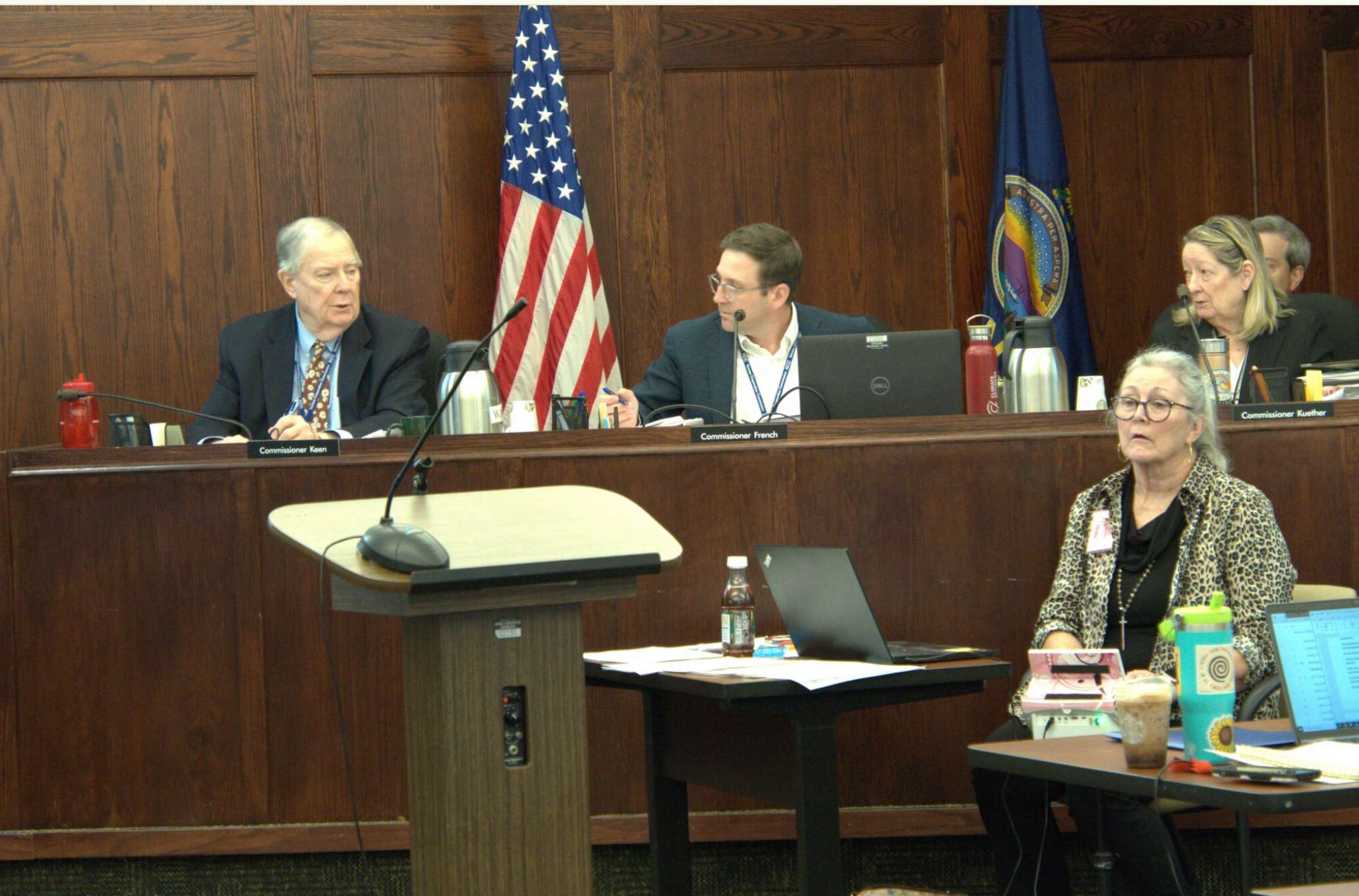
The Kansas Corporation Commission voted unanimously to approve part of Evergy’s proposed construction of a 133-mile transmission line. But the three-member commission stopped short of allowing the line to cross U.S. Highway 77 east into the Flint Hills, saying Evergy must reconsider that portion of the line.
“The order notes that the commission takes seriously any activity that has the potential to permanently and adversely affect the Flint Hills or other unique ecological regions of the state,” said Tristan Kimbrell, KCC assistant general counsel, who summarized the order.
“The order also notes that the Commission takes seriously the potential impact the transmission line may have on oil and gas operations, and indicates that Evergy should have made greater efforts to communicate with oil and gas operators during its routing study for the proposed line,” he said.
The 345-kV transmission line will begin at the Buffalo Flats Substation near Garden Plain, Kansas, and end at the Delaware Substation near Delaware, Oklahoma. It will cross through western Sedgwick, Sumner, Cowley and Chautauqua counties.
The line is part of a Southwest Power Pool project that was expected to be operational by 2029, KCC filings said.
Cole Bailey, Evergy corporate counsel, testified in previous KCC hearings that the transmission line is part of the Southwest Power Pool’s integrated transmission plan, which considers projected utility usage and needed infrastructure to ensure system reliability.
SPP is a regional transmission organization, one of seven approved by the Federal Energy Regulatory Commission as nonprofit agencies that oversee transmission infrastructure, ensure utility system reliability and manage the wholesale electricity market.
KCC granted Evergy’s application for a siting permit on the proposed line west of U.S. Highway 77 but required the company to amend its landowner protocols and to work with landowners and the oil and gas industry to understand infrastructure that will be affected by the proposed route, Kimbrell said.
“The order denies the application for the proposed route east of U.S. 77 and directs Evergy to perform a new routing study for that portion of the proposed transmission line, with strong consideration given to a route that follows or parallels the U.S. Route 166 highway,” Kimbrell said.
The order determined the line is necessary to increase reliability and resiliency in the transmission network that serves Kansas, Kimbrell said.
“The proposed line will also reduce overload and voltage issues within Southeastern Kansas during severe winter weather, and allow for the more efficient use of regional power generation, thereby likely reducing energy costs for Kansas customers,” he said.
Numerous landowners testified against the proposed line because it would destroy prairie grasslands and interfere with ranching, farming and oil and gas operations.
Vance Freeman, a Texas oil and gas lawyer whose family operates a 9,000-acre ranch in Cedar Vale, said Tuesday he was happily surprised at the KCC decision. He fell in love with the tallgrass prairie ecosystem when his family purchased a cow-calf operation in 2009.
“As we tell people all the time, I’m really in the prairie business not the cattle business,” he said. “As long as we’re taking care of that prairie and trying to mimic the environment that existed for 60 – 70,000 years, that prairie will take care of all the cattle you can put on it. It really is a treasure.”
Freeman said the tallgrass prairie is the largest carbon capture ecosystem in North America.
“If you care about climate change, then you should care about the tallgrass prairie,” he said. “When it takes an injury and it gets plowed up and it’s used for agricultlure and other things, it takes decades and decades to bring it back to the way it’s been for tens of thousands of years.”
KCC commissioner Dwight Keen said the docket was complex.
“Generally among the issues presented is the important matter of protection of the property rights of landowners and others who have pre-existing rights to access and use the land,” he said.
The docket also required balancing competing interests defined in Kansas law, Keen said. Evergy will have powers of eminent domain with KCC’s approval of the siting order, while the commission also sought to place “protective guardrails” around certain areas to balance the effects of the line on land use.
“For this, the commission is implementing several protocols to balance the interests of Evergy with the various interests of private property owners who access and use the land and who have the right to quiet and peaceful enjoyment … of the land,” Keen said.
Evergy spokeswoman Kaley Sturgeon said the company is required to file an updated procedural schedule by June 12.
“This was a difficult case that impacts electricity reliability and affordability for all of our Kansas customers, as well as landowners and oil/gas leaseholders near the proposed line,” she said.
Sturgeon said the KCC’s order confirmed the need for the transmission line, which will produce savings of more than $2 million a year for Kansas customers over the 40-to-50-year life of the line and will reduce outage risks and the ability to deliver electricity to Kansas communities during high-stress conditions like extreme weather events.
Evergy will work with KCC to determine the best way to resolve concerns, she said.This story was updated to correct the description of what part of the line was approved.